Are Drinkable Tanning Drops Safe to Use?

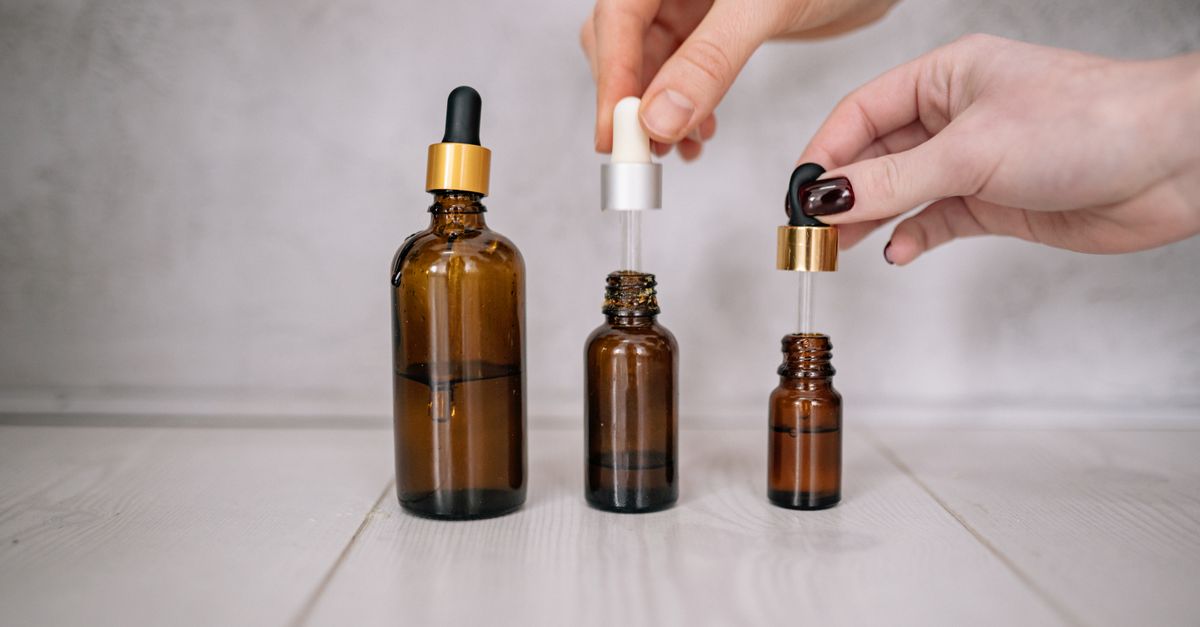
A reader emailed me last week asking if drinkable tanning drops were worth trying instead of "rubbing chemicals" on her skin. She'd seen them on social media, little vials promising a tan from the inside out, no mitt required.
I get some version of this question every summer. So let's actually look at what's in these products, because the honest answer surprised me the first time I researched it too.
Short version: drinkable tanning drops are not the same product as the tanning drops you mix into moisturizer, and the safety picture is a lot murkier than the marketing suggests.
What's Actually in a Tanning Drink
Most drinkable "tan in a bottle" products rely on canthaxanthin, a pigment in the carotenoid family. It's naturally found in small amounts in some mushrooms and crustaceans, but the doses used for tanning are synthetic and far higher than anything you'd get from food.
Canthaxanthin builds up in fatty tissue throughout your body when you ingest it, including in your eyes. That's the part that should give you pause. Some drinkable and pill-form tanning products from the 1980s and 1990s were pulled from shelves after users developed canthaxanthin retinopathy, a condition where the pigment deposits into the retina and can affect vision.
Modern versions market themselves as gentler, often blending canthaxanthin with beta-carotene or calling the mix a "tanning supplement" rather than a pill. The core ingredient hasn't changed much, even if the branding has.
A friend of mine tried one of these a few years back before a trip, drawn in by the promise of a tan with zero effort. She noticed her skin taking on a faint orange cast within a week, not the golden color a topical tanner gives you.
That mismatch between what's promised and what canthaxanthin actually produces is common enough that it shows up in nearly every review thread I've read on these products.
Where the FDA Actually Stands
The FDA has never approved canthaxanthin for tanning use at any dose. Its only approved use is as a limited color additive in a small list of foods, at amounts nowhere close to what tanning products contain.
Products marketed as tanning pills or drinks that rely on canthaxanthin are sold without that approval. Some are marketed from outside the US specifically to sidestep that gap, which is its own red flag.
Beta-carotene alone is a different story. Your body converts some dietary beta-carotene into vitamin A, and in very high doses it can tint skin an orange-yellow shade called carotenemia. It's considered lower risk than canthaxanthin, but it still isn't a real tan and isn't something a dermatologist would tell you to chase.
A Brief History of Tanning Pills
This isn't a new trend, even if the packaging looks like it. Canthaxanthin-based tanning pills had a real moment in the 1980s, sold under names like Orobronze in Europe and marketed hard to people chasing a sunless tan before self-tanners were any good.
France pulled Orobronze from shelves in 1982 after reports of retinal deposits started reaching regulators. Other countries followed with their own restrictions over the next decade. The product never fully vanished, though. It resurfaced under new brand names through mail order and later through online supplement shops, often with the same core ingredient and a fresher label.
What's changed is the marketing, not the chemistry. Modern versions lean on wellness and clean-beauty language, sometimes blending in antioxidants or vitamins to soften how the product reads. The canthaxanthin dose is still doing the actual color work, and it still carries the same risk profile it did forty years ago.
How This Compares to Topical DHA
DHA, the ingredient in every cream, mousse, and mixable drop covered elsewhere on this site, works completely differently. It reacts with amino acids in the outer, already-dead layer of your skin. That layer sheds naturally within a week or two, taking the color with it.
DHA applied topically is not meaningfully absorbed into your bloodstream. The FDA has approved it for external cosmetic use since the 1970s, and decades of dermatology research back that up as a low-risk way to get color without sun exposure.
An ingested pigment is a different kind of exposure. It travels through your entire system rather than sitting on the surface, which is exactly why the safety data looks so different between the two approaches.
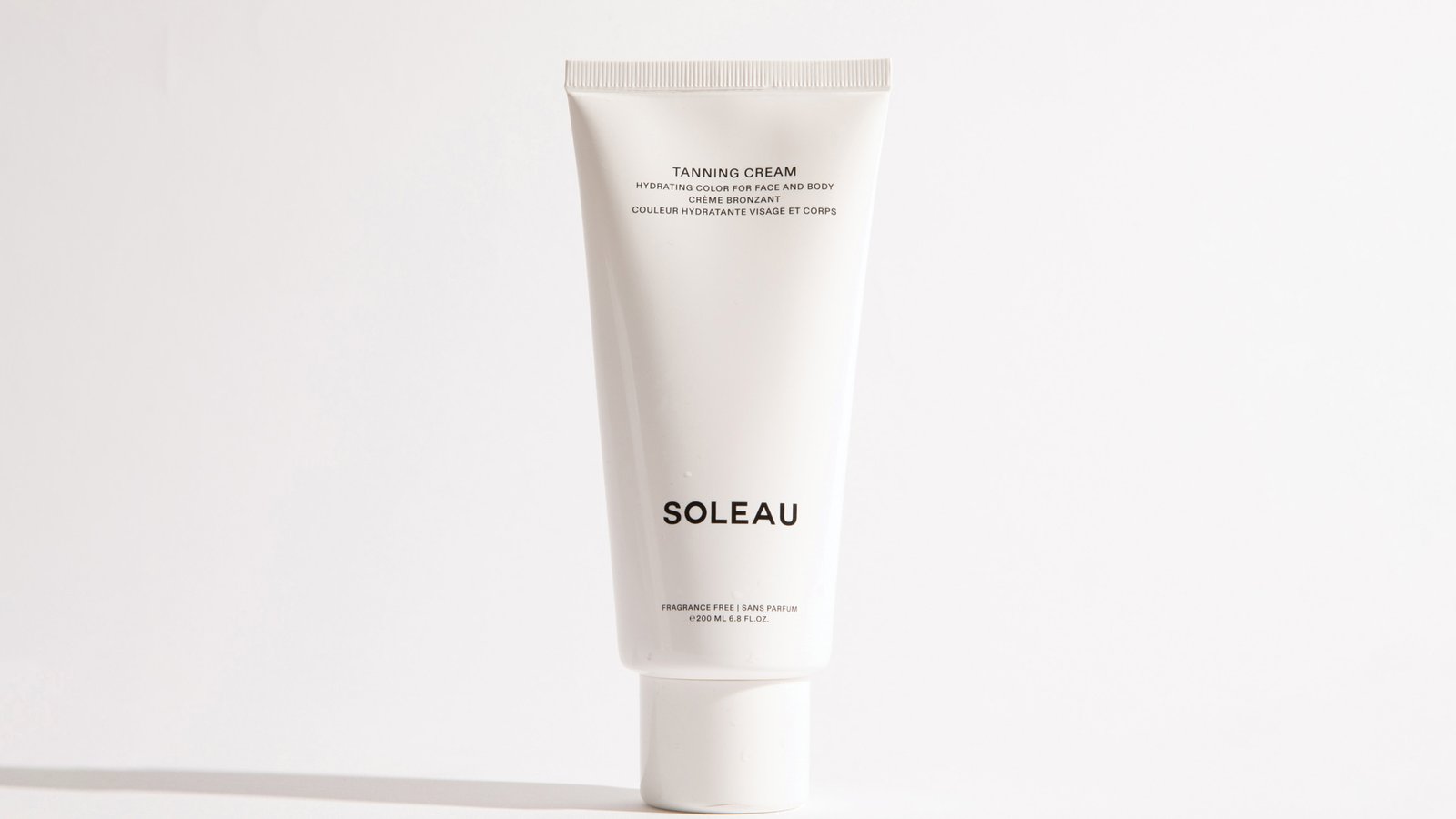
This is exactly why we keep coming back to a topical formula like Soleau Tanning Cream instead of anything you'd swallow. The color develops on the surface, fades naturally as skin cells turn over, and there's nothing circulating through your body to worry about.
"I love this natural color and no fragrance tanner. I feel much safer using Soleau than what I've used for years. I'm ordering again!!"
Documented Health Concerns
Canthaxanthin retinopathy is the most studied risk, and it's serious enough that ophthalmologists screen for it in patients with a history of tanning-pill use. The crystal deposits don't always cause noticeable vision loss, but they show up clearly on an eye exam and don't fully clear once formed.
Other reported issues include nausea and hives, with liver problems showing up in rare cases at the doses used for cosmetic tanning. None of this is common at typical dietary carotenoid intake. It shows up specifically at the concentrated levels marketed for tan that develops fast and deep.
If a product promises dramatic color from a small daily vial, that's a concentration question worth asking about before you order it.
If You've Already Been Taking Them
Stop and don't panic. A short course of a canthaxanthin product at typical marketed doses isn't the same as the heavy, sustained use that shows up in the retinopathy case studies, but it's still worth getting checked.
Book a routine eye exam and mention what you've been taking. A dilated retinal exam catches canthaxanthin crystals easily, and an ophthalmologist can tell you whether anything's actually there rather than leaving you to guess. Most people who ask about this walk away with a clean scan and real peace of mind.
If you're mainly chasing the low-effort promise of color without applying anything, a gradual topical formula gets you closer to that than people expect. Building color over a few nights with a cream feels almost as passive as swallowing a pill, minus the wait for a bottle to ship from overseas.
Safer Ways to Get a Head Start on Color
Diet genuinely does play a small role here, just not the way tanning pill marketing implies. Foods high in beta-carotene, think carrots, sweet potatoes, and leafy greens, can very slightly warm your skin tone over weeks of regular eating. It's subtle and it's not a tan. Think of it as a faint undertone shift, not a beach glow.
A better use of that same instinct is pairing a topical self-tanner with a diet that supports skin health generally. Hydrated, well-nourished skin takes DHA more evenly, which is part of why dry patches on elbows and knees tend to grab extra color and look darker than the rest of you.
None of this requires swallowing anything marketed specifically for tanning. A normal, varied diet plus a topical formula covers the same ground with a much shorter list of open questions.
Spotting a Risky Product
- Look for canthaxanthin high on the ingredient list, especially paired with vague dosing like "as needed" rather than a specific milligram amount.
- Be wary of products shipped from outside the US with no clear regulatory body behind them.
- Marketing that promises a tan that comes on fast and deep from a drink alone, with no mention of sun exposure or a topical step, is worth extra scrutiny.
None of this means every ingestible tanning product on the market today is dangerous at every dose. But the regulatory gap is real, and the documented eye and liver risks are specific to canthaxanthin, not a vague industry rumor.
How Other Countries Regulate This
The regulatory picture outside the US isn't much friendlier to canthaxanthin as a tanning aid. The European Union restricts it to a food coloring additive at tightly controlled levels, the same category the FDA uses, and doesn't permit its sale as a tanning supplement either.
That hasn't stopped products from circulating. A supplement labeled and sold as a "beauty" or "wellness" product can sometimes slip past rules written specifically for tanning pills, since the wording on the box determines which regulatory bucket it falls into. This is exactly the kind of labeling gap the earlier red flags are meant to catch.
If a product ships from a country you don't recognize with no clear manufacturer listed, that's often not an accident. It's a sign the seller is routing around whichever country's rules would otherwise apply.
If color from the inside out feels appealing mainly because you're trying to avoid DHA smell or texture, it's worth reading our breakdown of whether DHA itself is actually safe first. The topical route usually turns out to be the lower-risk option once you see the research side by side.
Curious about the mixable drops that go into your moisturizer instead? Those are a completely different product built on DHA, not canthaxanthin. Our complete guide to tanning drops covers how they actually work, and our roundup of the best tanning drops we tested ranks the formulas worth buying.
Shop Soleau Tanning Cream →Frequently Asked Questions About Drinkable Tanning Drops
Are drinkable tanning drops FDA approved?
No. The FDA has not approved canthaxanthin, the pigment most drinkable tanning products rely on, for tanning purposes at any dose. It is only cleared as a limited color additive in a small list of foods.
What's the difference between DHA and canthaxanthin?
DHA is a topical ingredient that reacts with the outer, already-dead layer of your skin to produce color, and it's approved for external cosmetic use. Canthaxanthin is a pigment you'd swallow, and it builds up in fatty tissue and the retina of your eye over time.
Can drinking carrot juice or taking beta-carotene give you a tan?
In very high amounts, yes, your skin can take on an orange-yellow tint called carotenemia. It's considered lower risk than canthaxanthin, but it isn't a real tan and doses high enough to matter still aren't something a dermatologist would recommend.
Have drinkable tanning pills caused real health problems?
Yes. Canthaxanthin taken for tanning has been linked to documented cases of crystal deposits forming in the retina, along with reports of hives and liver issues at the doses marketed for cosmetic tanning.
Is topical self-tanner safer than a tanning drink?
For the vast majority of people, yes. Topical DHA only reacts with the surface layer of your skin and isn't absorbed into your bloodstream in any meaningful amount, unlike an ingested pigment that circulates through your entire body.