Tanning Drops: The Complete Guide to Self-Tan Serums

A friend asked me last month if tanning drops actually work or if they're just a fancier way to sell you the same self-tanner in a smaller bottle. Fair question. I keep four different bottles of drops in my bathroom drawer right now, and I reach for them more than my old mousse.
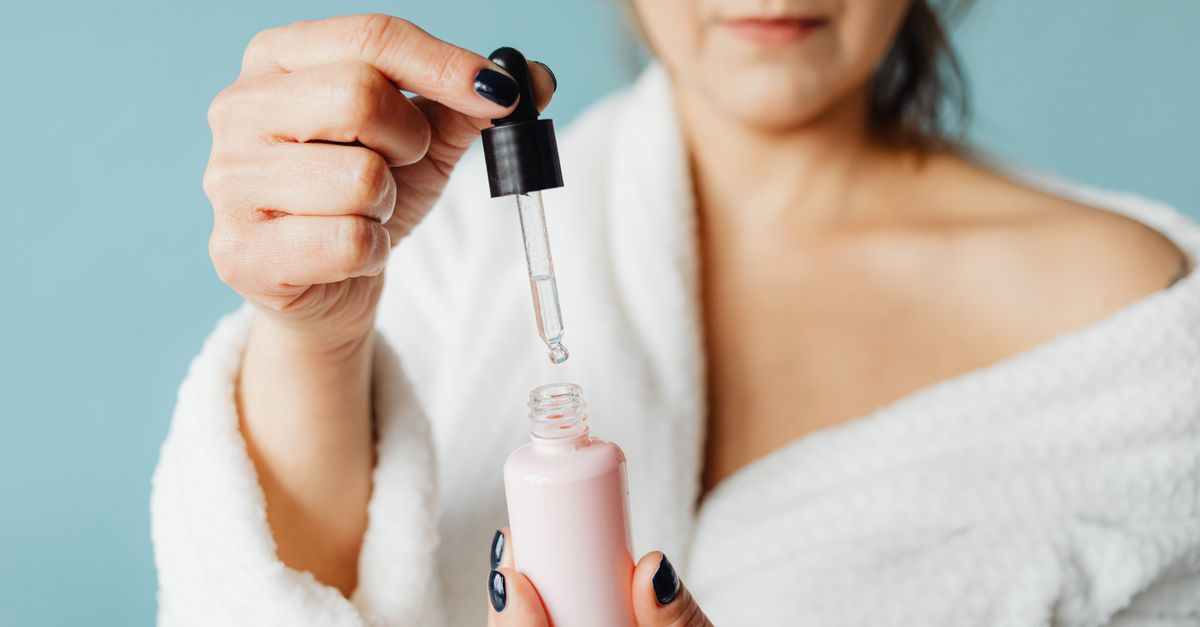
Tanning drops are DHA serum you mix into whatever moisturizer you already own. That's the whole trick. No new routine, no separate product to remember, just a few drops added to a step you were doing anyway.
I've spent the better part of a year testing drops from every major brand, on my face and my body, at every strength from barely-there to full commitment. Here's what actually matters, minus the marketing.
This guide covers what drops actually are, how they stack up against cream and mousse, exactly how many to use for the color you want, and which bottles earned a permanent spot in my drawer after everything else got tossed.
What Are Tanning Drops, Exactly?
Tanning drops are a concentrated liquid version of the same active ingredient in every self-tanner you've ever used: DHA, or dihydroxyacetone. DHA reacts with amino acids in the top layer of your skin and turns them brown over a few hours. It's a chemical reaction, not a stain and not a dye.
What makes drops different is the delivery method. Instead of buying a cream or mousse formulated at one fixed strength, you buy the DHA on its own and dilute it yourself, in your own moisturizer, at whatever concentration you want that day.
That's the entire appeal. One bottle of drops does the job of a light gradual lotion and a deep bronzing cream, depending on how many drops you use. You control the dial instead of the manufacturer.
Some drops also carry a guide color, a cosmetic tint that shows you where you've applied so you don't miss a spot or double up. It washes off in your first shower and has nothing to do with your actual DHA tan, which keeps developing underneath it.
Tanning Drops vs. Cream and Mousse
Every format uses the same DHA. The difference is control, plus how the rest of the formula treats your skin.
Mousse dries fast and grabs onto bare skin the moment it touches you, which is great for speed and rough on beginners. One extra pass over an elbow and you've got a dark patch before you've even noticed. It's built for people who already know their technique.
Cream sits at the other end. It absorbs slowly, like a rich lotion, so you get real time to blend before anything sets. That patience is why a cream formula is my pick for anyone still learning to apply an even tan, or for the parts of your body where a mistake shows the most.
Drops sit in between, but with one advantage neither format has. You decide the intensity every single time you use them. Want a whisper of color for a Tuesday at the office? Two drops. Getting on a plane to somewhere warm in four days? Five drops, and layer again tomorrow.
The tradeoff is effort. Cream and mousse are ready to go straight from the bottle. Drops ask you to measure and mix every time, which is one more step on a groggy morning.
... which is why, on the days I want zero decisions to make, I still reach for a clean, hydrating tanning cream instead, since it gives me that same slow, forgiving development without the mixing step.
How Many Drops You Actually Need
This is the question I get asked the most, and every brand answers it a little differently. Here's the range I've landed on after testing dozens of combinations on my own skin.
- 2 to 3 drops mixed into your normal amount of face or body moisturizer for a subtle wash of color you could pass off as a good night's sleep.
- 4 to 5 drops for a believable tan you'd notice in a good way, one that still looks like skin, not a filter.
- 6 or more drops for full depth, usually reserved for a body area right before an event, layered over two or three nights rather than dumped in all at once.
Start lower than you think you need. You can always add one more drop tomorrow night. You cannot subtract a drop once it's already on your skin developing.
Undertone matters here too. Fair skin with cool undertones tends to look best building slowly from 2 drops over several nights. Deeper or warmer skin tones can go straight to 4 or 5 without looking overdone, since there's more natural pigment for the DHA to sit against.
How to Mix and Apply Tanning Drops
The method is the same whether you're doing your face or your whole body. Only the amount of moisturizer changes.
- Exfoliate first if you haven't in the last day or two. Dry, flaky patches grab drops unevenly and are the most common cause of a blotchy result.
- Squeeze your usual amount of moisturizer into your palm, or a small dish if you'd rather not stain your favorite jar.
- Add your drops. Start with 2 or 3 for your face, or 4 to 6 mixed into a body-sized dollop of lotion.
- Stir with a fingertip or a cotton bud until the color is evenly distributed through the moisturizer. You shouldn't see streaks of tint in the mix.
- Apply like you would any moisturizer, working in circular motions and paying extra attention to drier areas like elbows and knees.
- Wash your hands right after, or wear a glove, since undiluted drops on bare palms will stain exactly like any other self-tanner.
One thing I wish someone had told me sooner: drops work in the shower too. Mix a few into a dollop of your rinse-off body oil or conditioner right before you get out, smooth it on damp skin, and towel off gently instead of rubbing. It's faster than a full moisturizer routine on busy mornings.
Body use is where a lot of brand instructions go quiet, and I think that's a missed opportunity rather than a real limitation. I've used drops on my arms and legs for over a year with zero issues. The DHA doesn't know or care whether it's on your cheek or your shin.
How We Tested
I tested drops from six brands over eight months, mixing each into the same fragrance-free moisturizer at 2, 4, and 6-drop doses on matched patches of skin on my inner arm. I tracked color development at 2, 4, and 8 hours.
I also logged fade quality over a full week and how each formula behaved when mixed into body lotion versus face cream. Every batch was mixed fresh and applied under the same conditions.
See more on our approach at How We Test.
Face Drops vs. Body Drops: Same Bottle, Different Job?
Walk down the self-tanning aisle and you'll notice most drops are marketed strictly for the face. That labeling is about portion control, not chemistry. A bottle sized for dropping into a dime of face moisturizer just runs out fast if you start mixing it into a body-sized dollop of lotion every night.
I switched to using my face drops on my chest and shoulders during a stretch when my regular tanner was on back order. The color came in exactly the same. No extra redness, no different fade pattern, nothing that suggested the face formula was somehow gentler or weaker.
The one real difference is texture. Face-marketed drops sometimes skew lighter and less oily so they layer under makeup without pilling. That's a preference thing, not a safety one.
If you like how a face formula feels, there's no rule against loading up a full body-sized batch of moisturizer with it. You'll just go through the bottle faster.
Patch Testing and Sensitive Skin
Skip this step at your own risk. I did, once, with a brand I'd never tried before a work trip, and spent three days with a faint orange stripe along my jaw that no amount of exfoliating scrub would rush away.
Mix your intended dose the way you actually plan to use it, then apply a small amount to your jaw or the inside of your wrist. Wait a full 24 hours before you do your whole face.
This catches two things at once. An actual skin reaction, which is rare. And a shade that reads more orange or gray on you than the bottle promised, which is common and has nothing to do with an allergy.
If you have reactive or eczema-prone skin, look for drops labeled fragrance-free with a short ingredient list. Some newer formulas add centella asiatica or similar calming ingredients specifically because DHA can sting on compromised skin barriers, even when it doesn't cause a true allergic reaction.
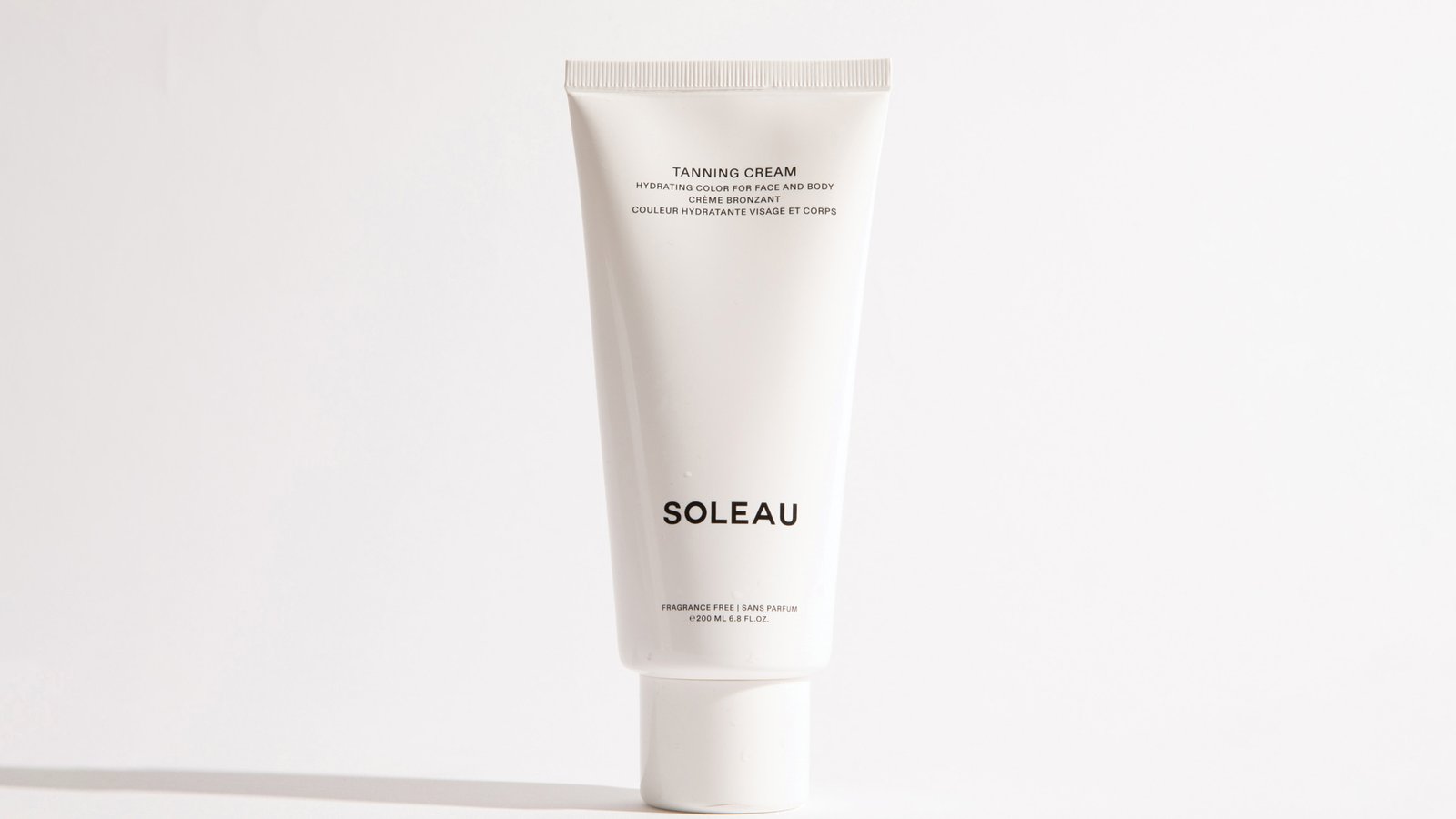
This is exactly why we keep coming back to Soleau Tanning Cream for anyone whose skin has ever fought back against a tanner. It's fragrance-free and gentle enough for daily use. The color still builds gradually, the way drops promise, minus the measuring.
"Beautiful color that is super buildable and so incredibly hydrating. Easily my new favorite."
The Tanning Drops Worth Your Money
The drops market is crowded, but a handful of brands have earned a permanent spot in my drawer. Here's the honest rundown.
Isle of Paradise
The color-coded Green and Golden drops are the easiest starting point for beginners. Green corrects sallow undertones before the tan develops. Golden leans warmer for those who want a straightforward bronze.
They mix cleanly into any moisturizer without clumping. The downside: the scent is more noticeable than some competitors, and it lingers a bit longer than I'd like on the first night.
James Read
James Read gets less attention than the bigger drugstore names, which is a shame. The formula mixes into moisturizer without separating, even hours after you've combined them, so you can prep a batch ahead of a trip instead of mixing fresh every night.
Color comes in warm rather than gray, and it held up well in my week-long fade test. The bottle is smaller than competitors at the same price, so heavy users will refill more often.
Tan-Luxe
Tan-Luxe's face and body drops were some of the first on the market, and the formula still holds up. Development is quick, closer to 4 hours than 8, which suits anyone who wants to see results before bed rather than waking up to them. The tradeoff is a stronger biscuity smell during development than the newer, gentler formulas.
Tanologist
These skip the mixing step entirely, since they're formulated with hyaluronic acid built in and go on alone rather than blended into a separate moisturizer. That's convenient, but it also means you lose the dial-your-own-intensity advantage that makes drops worth choosing over a regular self-tanner in the first place.
Coco & Eve
The Sunny Honey Bronzing Face Drops use a peach-toned guide color that looks flattering going on and washes away cleanly. Color payoff is on the lighter side even at higher drop counts, which makes this a good pick if you only ever want a soft glow rather than deep color.
| Brand | Price | Mixes Into | Best For | Rating |
|---|---|---|---|---|
| Isle of Paradise Drops Our Pick | $32 | Any moisturizer | Beginners, color correcting | 4.5/5 |
| Tan-Luxe Drops | $38 | Any moisturizer | Fast development | 4.2/5 |
| Tanologist Face Drops | $15 | Nothing, apply alone | No-mix convenience | 4.0/5 |
| Coco & Eve Bronzing Drops | $29 | Any moisturizer | A soft everyday glow | 4.1/5 |
| James Read Tan Drops | $34 | Any moisturizer | Prepping a batch ahead | 4.3/5 |
Common Mistakes People Make With Drops
Most drop disasters trace back to one of a few habits. I've made each of these myself at least once.
- Mixing drops into a heavy cream loaded with oils. Oils dilute DHA's reaction, which leaves you with weaker, less even color than the same drops mixed into a lighter lotion.
- Applying with bare hands and forgetting to wash them right after, which leaves you with stained palms and dark knuckles.
- Skipping the patch test on a brand new formula, then discovering the shade skews orange on your undertone at the worst possible time.
- Adding too many drops on the first try instead of building up over a few nights.
- Storing a mixed batch for days. Drops mixed straight into a lightweight lotion can lose potency after 24 to 48 hours, so mix smaller batches more often rather than one big jar for the week.
Fix the mixing base and the drop count, and most of these problems disappear on their own.
I learned the storage lesson the hard way. I mixed a big batch before a trip, packed it, and by day three the color it produced was noticeably weaker than the first application. Fresh beats convenient here.
Want the full picture on DHA itself, including the safety questions people ask most? Our deep dive on whether DHA is safe covers the science in plain terms.
Traveling With Tanning Drops
Drops are one of the easier tanning products to pack. The bottles are small, they're liquid rather than a full tube of cream, and most fit inside a quart-size toiletry bag without eating your whole liquids allowance.
Mix a fresh batch each night at your destination rather than premixing before you leave. I learned that lesson the hard way on the storage front already, and a hotel bathroom counter works just as well as your own.
Pack your regular moisturizer too. Hotel toiletries are rarely the fragrance-free, simple formula you want DHA mixed into, and an unfamiliar lotion is one more variable when you're trying to look put together for someone else's wedding or your own vacation photos.
Layering Drops Under Makeup
Mixed drops need time to set before you build a base on top. Apply them at night whenever you can, so the color develops fully while you sleep and your skin is back to feeling normal by morning.
If you're mixing in the morning before an event, give it a minimum of twenty minutes before foundation. Going in too soon means your makeup can grab at the still-tacky guide color and drag it into streaks along your jaw.
Putting It All Together
Tanning drops earn their spot for one reason. They let you decide the depth of your tan on any given day, using the moisturizer you already trust, instead of committing to whatever strength a bottle was formulated at.
That flexibility is real, but so is the extra step of mixing and the mess of a spilled dropper on a white countertop. Some mornings I want the dial. Most mornings I want to twist a cap and be done, which is why a slow-developing cream formula still lives on my counter next to the drops.
If you're ready to try drops, start at 2 to 3 for your face and build from there. If you'd rather skip the math altogether, a cream that develops just as gradually gets you the same believable color with one less decision before coffee.
Either way, the goal is the same. Color that looks like it came from a week outdoors, not a bottle. Get the base formula right and the delivery method becomes a matter of taste.
Ready to pick a bottle? Our roundup of the best tanning drops we tested ranks the formulas worth your money. For a full breakdown of our top-rated formulas across every format, see our complete ranking of the best self tanners for 2026, or start simple with our step-by-step application guide if you're newer to self-tanning altogether.
Shop Soleau Tanning Cream →Frequently Asked Questions About Tanning Drops
What are tanning drops and how do they work?
Tanning drops are concentrated DHA serum you mix into your regular moisturizer instead of applying a separate self-tanner. The DHA reacts with amino acids on the surface of your skin the same way any self-tanner does, so the color develops over a few hours no matter how you deliver it.
Can you use tanning drops on your body, not just your face?
Yes. Drops work anywhere you'd use a self-tanner. Most brands market them for the face because a few drops are easier to control on a small area, but mixing a stronger dose into body lotion works fine and saves you buying a second product.
How many drops should I use for my face?
Start with 2 to 3 drops mixed into your usual amount of moisturizer for a subtle wash of color. Go up to 4 or 5 drops for a deeper tan. You can always add another drop tomorrow, so start lower than you think you need.
Do tanning drops smell like regular self tanner?
Most drops still carry some of the biscuity DHA smell, though it's usually fainter than a mousse because you're using less product overall. Fragrance-free drops and low-odor formulas exist if scent bothers you.
Should I patch test tanning drops before using them?
Yes, especially on your face. Mix a small amount with moisturizer and apply it to your jaw or the inside of your wrist, then wait 24 hours. This catches both skin reactions and shade mismatches before you commit to your whole face.