Face Tanning Drops: The Complete Guide

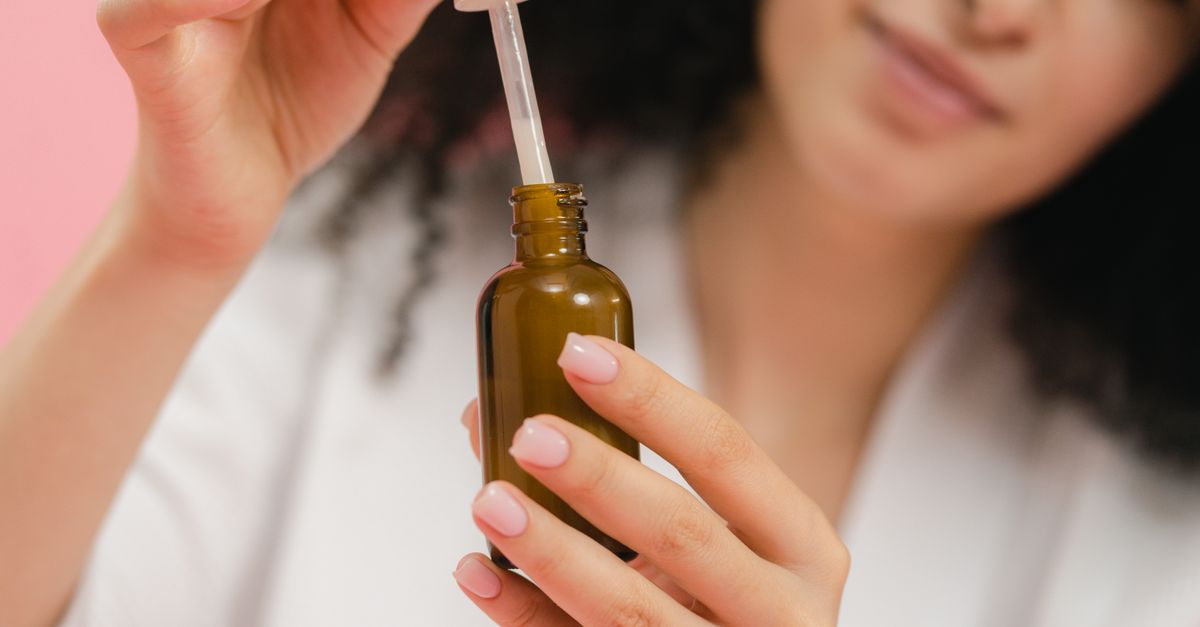
Face tanning drops showed up in my routine almost by accident. I ran out of my usual face cream mid-trip and improvised with body drops meant for my legs. My chin broke out within two days.
That mistake sent me down a research hole, and it turns out face tanning drops exist for a real reason, not just as a marketing spin on the same product. They're formulated lighter, on purpose, specifically because facial skin behaves nothing like the skin on your shins.
Here's what actually makes them different, how many drops to use, and how to work them into a routine that already includes makeup, retinol, or both.
What Makes Face Drops Different From Body Drops
Both rely on the same active ingredient. DHA reacts with amino acids on the surface of your skin and turns them brown over a few hours, whether you're using a bottle labeled for your face or your whole body.
The difference sits in everything else in the formula. Face drops tend to skip heavy oils like coconut and cocoa butter that make body formulas glide easily over large areas. Those oils feel great on a thigh and sit heavy on facial skin, where pores are smaller and clog more easily.
Face-marketed drops also skew lighter in texture so they layer under makeup without pilling or turning greasy by midday. It's a preference and practicality difference, not a safety one, but it's real enough that I noticed it within two days of switching.
Bottle size is the other quiet difference. Face drops usually ship in smaller bottles than body versions, since a dime-sized dose covers your whole face while the same amount barely handles one leg. Paying attention to bottle size when you compare prices saves you from assuming a smaller face bottle is a worse deal than it actually is.
How Many Drops to Use on Your Face
Start with 2 drops mixed into your normal amount of face moisturizer. That gives you a subtle wash of color, the kind people read as "you look rested" rather than "you got a tan."
Go up to 3 or 4 drops for a deeper result, adding one more the next night rather than dumping in extra on your first try. Undertone matters here too. Fair, cool-toned skin tends to look best building slowly, while deeper or warmer tones can often go straight to 3 or 4 without looking overdone.
A slow-developing formula matters most for beginners specifically, since a heavy-handed application still has time to be blended out before the color sets.
How We Tested
I tested face drops from five brands over four months, mixing each into the same fragrance-free face moisturizer at 2 and 4-drop doses on opposite sides of my face so I could compare results directly.
I tracked pore congestion after a week of daily use, how each mix wore under foundation, and fade pattern around the nose and hairline. See more on our approach at How We Test.
Drops vs. Mist vs. Cream for Your Face
Drops give you the most control. You decide the dose every time, which makes them forgiving for anyone still learning how their skin reacts.
Mist sprays on fast and dries quickly. That speed is great once you've mastered technique, and rough on a rushed morning, since a quick pass leaves streaks along your hairline more easily than a slower format would.
Cream absorbs slowly, like a rich moisturizer, so you get real time to blend before anything sets. It's the most forgiving option if your hand isn't perfectly steady yet.
None of these is universally best. I keep drops for control on days I want to fine-tune the depth, and a cream for mornings I'd rather not think about dosage at all.
If you want to see how the actual bottles stack up against each other rather than just the format, our ranking of the best self tanners for face scores five of them side by side on color and how they hold up under makeup.
Matching Drops to Your Skin Type
Oily skin usually does best with a lightweight, water-based drop formula. A rich, oil-heavy mix can feel like too much by midday, especially through the T-zone where most people already produce extra shine on their own.
Dry skin benefits from drops mixed into a richer moisturizer than you'd otherwise reach for. The extra hydration helps DHA develop evenly instead of grabbing hardest at flaky patches around the nose and brows, which is the most common cause of a splotchy face tan.
Combination skin can go either way depending on the day. I mix a lighter dose into a gel moisturizer on days my T-zone is already shiny, and a slightly richer dose on days my cheeks feel tight. It sounds fussy written out. In practice it's the same bottle of drops, just a different partner product.
Acne-prone skin should stick to fragrance-free, non-comedogenic labeled drops and patch test near the jaw rather than the forehead, since forehead skin often reacts differently to new products than the rest of the face.
How to Mix and Apply Face Drops
- Exfoliate gently the night before, focusing on your nose and chin where dead skin builds up fastest.
- Squeeze your usual amount of face moisturizer into your palm.
- Add 2 to 4 drops depending on the depth you want, then stir with a fingertip until the color looks even, not streaky.
- Apply a thin layer of plain moisturizer to your eyebrows and hairline first as a barrier against staining.
- Smooth the mixed drops over your face working outward from the center, feathering at your jawline so there's no visible line.
- Wash your hands right after, or wear a glove for a stronger mix.
Apply at night when you can. Your face develops color while you sleep, so you wake up finished instead of walking around with tinted skin during the day.
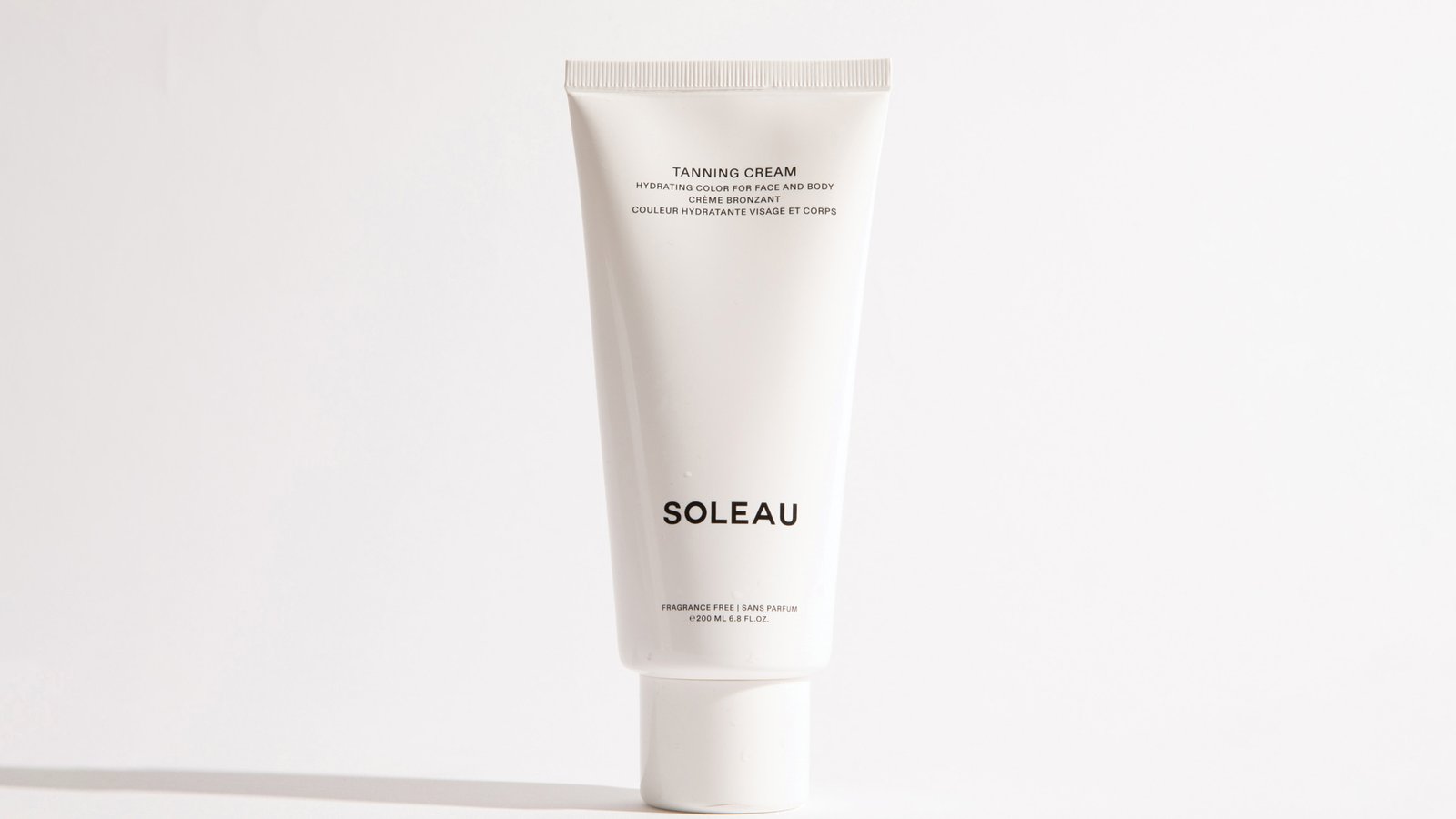
This is exactly why we keep coming back to Soleau Tanning Cream on the face specifically, even without the mixing step. It's fragrance-free and hydrates while it develops, which matters most around the nose and chin where dry patches otherwise grab extra color and look darker than the rest.
"Gives a natural golden mocha tan that looks so real. I'm using it daily. Love it!!! Even on my face."
Face Drops Under Makeup and Retinol
Mixed drops need time to set before you build a base on top. Give the mix a minimum of 20 minutes before foundation if you're applying in the morning, or apply the night before so it's fully finished by the time you're getting ready.
Retinol and exfoliating acids speed up cell turnover, which sheds your color faster too, sometimes within a couple of days. Skip actives the night you apply drops and for a day or two after if you can manage it.
If your routine depends on a nightly retinol, apply drops in the morning instead and expect to touch up more often than someone skipping actives entirely.
What to Look For on a Face-Drop Label
Face-marketed drops vary more than the packaging suggests. A few label details actually predict how a bottle will behave on your skin.
Hyaluronic acid or glycerin near the top of the ingredient list means the formula is pulling double duty as hydration, not just color. That matters most for dry or combination skin, where an unhydrated patch grabs extra DHA and turns noticeably darker than the rest of your face.
A guide color, sometimes called a bronzer or cosmetic tint, shows you exactly where you've applied so you don't miss a spot near your hairline or double up along your jaw. It washes off in your first cleanse and has nothing to do with the actual DHA tan still developing underneath.
Watch for silicones high on the list if you wear a lot of makeup. They help drops glide on smoothly, but a heavy silicone base can make foundation slide instead of sitting the way you're used to. A lighter, water-based formula usually layers better under a full face of makeup.
Seasonal Use and Storage
Face drops get more use in spring and summer for most people, but cold months are actually when a subtle wash of color does the most work. Winter skin looks paler against darker clothes and holiday lighting, and two drops a few times a week keeps that washed-out look from creeping in.
Store your bottle somewhere that doesn't swing in temperature, away from a sunny windowsill or a steamy shower shelf. Heat and light both break down DHA faster than the bottle's shelf-life date accounts for, and a degraded formula develops lighter and less evenly than a fresh one.
Most face drops list a 12-month window once opened. If a bottle's been sitting open for longer than that and the color it produces feels weaker than you remember, that's usually the reason, not a mixing mistake on your part.
Common Face-Drop Mistakes
- Grabbing body drops because they're already open, then wondering why your chin broke out two days later.
- Skipping the barrier on eyebrows and hairline, which stains hair a rusty tint that takes weeks to grow out.
- Mixing a big batch ahead of time. Drops lose potency once blended into moisturizer, so mix smaller amounts more often.
I learned the batching lesson on a trip, mixed a large amount to save time, and the color it produced by day three was noticeably weaker than my first application. Mixing fresh takes an extra thirty seconds and actually works.
For the full picture on face-specific formulas beyond just drops, our complete guide to self tanner for face covers cream and mist options too. If breakouts are your main concern, our step-by-step guide to self-tanning your face without breaking out walks through prep and technique in more detail.
Curious how face drops compare to the body versions? Our complete guide to tanning drops covers mixing ratios and application across your whole body.
Shop Soleau Tanning Cream →Frequently Asked Questions About Face Tanning Drops
What are face tanning drops?
Face tanning drops are a concentrated DHA serum, usually lighter and less oily than a body formula, that you mix into your regular face moisturizer to control how much color develops.
How many face tanning drops should I use?
Start with 2 drops mixed into your usual amount of face moisturizer for a subtle wash of color. Go up to 3 or 4 for a deeper tan, adding one more drop the next night rather than overdoing it on the first try.
Can I use body tanning drops on my face instead?
You can, but face-marketed drops tend to skew lighter and less oily, which layers better under makeup and is less likely to clog facial pores than a heavier body formula.
Do face tanning drops work under makeup?
Yes, as long as you give the mix at least 20 minutes to set before applying foundation. Apply at night whenever possible so the color fully develops while you sleep.
Are face tanning drops better than a mist or cream?
Drops give you the most control over intensity since you decide the dose each time. A mist is faster but harder to build gradually, and a cream is the most forgiving option while you're still learning technique.