Can Men Use Self Tanner? A Natural-Looking Guide

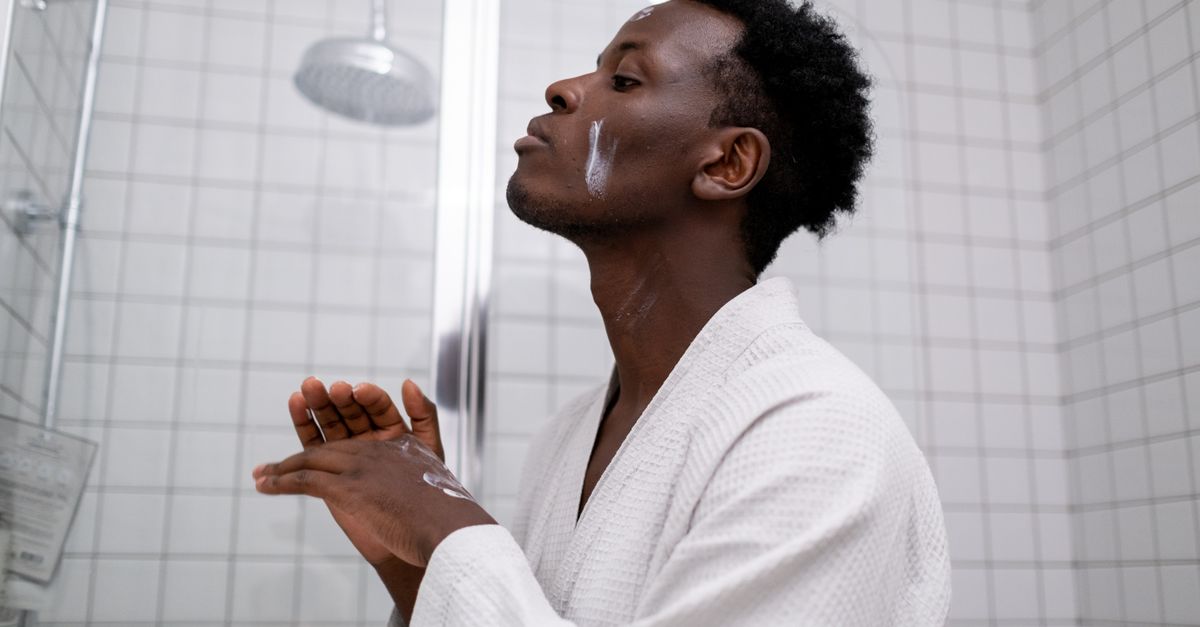
Can men use self tanner? Yes, without a single asterisk or caveat. The products marketed to women work exactly the same on male skin. The chemistry doesn't check your gender.
I get this question more than you'd expect. Sometimes it comes from guys who've noticed their skin looks washed out by March and are quietly wondering if there's a fix. Sometimes it's from a partner researching on someone else's behalf. Either way, the answer is the same, and the stigma around it is fading fast.
In my 8 years covering self-tanners, I've recommended them to plenty of men. The ones who actually try it almost always come back for a second bottle.
Not because they want to look "done up" - just because a natural, warm glow makes you look healthier, more rested, and like you've been somewhere other than your home office for the past four months.
This guide covers what actually matters for men self tanning: why male skin responds well to the right formula, what to look for, how to apply it so nobody notices, and what to avoid.
Why Male Skin Works Well with Self Tanner
The active ingredient in self tanner is DHA, short for dihydroxyacetone. It's a sugar compound derived from plants that reacts with the amino acids in the outermost layer of your skin to produce a brown pigment. That reaction happens the same way on male skin as it does on female skin.
Male skin is, on average, slightly thicker and produces a bit more sebum than female skin. Neither of those things interferes with how self tanner develops. If anything, slightly higher sebum production can help a cream formula spread more evenly.
Where men do sometimes run into trouble is in skipping prep work, specifically exfoliation, which leads to uneven patches on rough elbows and ankles. That's a technique issue, not a skin type issue.
Body hair is a common concern, and it's a non-issue. DHA reacts with skin cells, not hair follicles. You get an even tan right through body hair with no color buildup on the hair itself and no strange striping patterns.
I tested this on my husband's arms after he kept asking skeptical questions about it, and the result was indistinguishable from a light natural tan. He's since started applying it himself.
What to Look for in a Self Tanner for Men
Men don't need a "for men" formula. That's mostly a marketing distinction with a price markup attached. What you do need is the right type of formula for your experience level, and the right DHA quality to avoid the two outcomes everyone fears: orange and smelly.
Start with a Cream, Not a Mousse
Self-tanning mousses develop fast and dark, which sounds appealing but makes them unforgiving for first-timers. One heavy pass and you're committing to results before you know what you're doing. Mousses also require a mitt to apply evenly, adding another variable.
Cream formulas are different. They go on like a regular body lotion, which means the application technique already feels familiar. You can work in sections, feel exactly where the product is going, and blend edges without rushing.
The color builds more gradually, so mistakes are minor and correctable rather than dramatic. For men who've never done this before, cream is the right starting point.
Drops (the kind you mix into your moisturizer) are another option - Isle of Paradise makes popular ones.
The color result is subtle and natural, but they require a bit of experimenting to get the dose right, and consistency from batch to batch can vary depending on how much moisturizer you use. Good for maintenance once you know what you're doing.
Warm, Golden Color Over Orange
Orange is the outcome of cheap DHA, too-high DHA concentration, or both. Formulas that use low-quality DHA produce a reddish-brown pigment that oxidizes into those Oompa Loompa tones. Formulas with natural, plant-sourced DHA at a well-calibrated concentration develop into golden, warm colors that actually look like sun exposure.
You should also avoid formulas loaded with added bronzers. Some self-tanners include synthetic bronzer or guide color to show you where you've applied, and while that sounds helpful, it can skew the end color if the bronzer doesn't wash off cleanly. A clean formula where the only color comes from the DHA reaction gives you more predictable results.
For men especially, the goal is a tan that looks like it happened outdoors, not one that looks applied. That means starting lighter than you think you need and building up from there over two or three applications.
No Smell Is a Real Option Now
The DHA smell is real. It comes from the chemical reaction between DHA and the proteins in your skin, and it gets stronger over the 6 to 8 hours after application. Older formulas were notorious for it. Some brands layer heavy fragrance on top to mask it, which just produces a different, equally strange scent.
The good news: clean, fragrance-free formulas with quality DHA have a much milder smell during development. It's closer to a faint warmth than the biscuity chemical smell that turned people off for years. If no smell is a dealbreaker for you, it shouldn't be. The right formula makes this a minor thing.
Clean Ingredients Mean a Better Fade
A lot of men who try self tanner once and don't come back are turned off by the patchy fade. You tan evenly enough, but then by day 4 or 5 it's coming off in odd places - arms are fine but shins are getting splotchy.
That usually comes down to ingredients. Formulas packed with cheap fillers and drying alcohols leave skin dehydrated over time, and dry skin sheds faster. When your skin sheds unevenly, so does the tan.
A formula that includes genuine hydrating ingredients, things like aloe vera, glycerin, or plant oils, keeps your skin barrier in better shape so the tan fades consistently rather than in patches.
This is also why clean ingredient lists aren't just an ethical preference. They produce a noticeably better result. For a full breakdown of what to look for and avoid on a self-tanner label, our guide to non-toxic self tanners covers it in detail.
How to Apply Self Tanner as a Man
The process is simple. Here's exactly what to do.
The night before: Exfoliate your whole body in the shower. A basic body scrub works fine, or just a rough washcloth with your regular soap. Pay extra attention to your elbows, knees, and ankles. These areas have rougher, drier skin that absorbs DHA faster and darker than the surrounding areas, which is where streaks come from.
On application day: Skip your usual body moisturizer, or use just a tiny amount on those dry spots from the night before (elbows, knees, ankles). The rest of your skin should be clean and dry before you start.
Apply in sections: Work from the bottom up. Legs first, then torso, then arms. Use clean hands or a tanning mitt. Long, circular strokes, blending well as you go.
Spend extra time on the transition zones, wrists, ankles, knees. Use less product than you think you need. A thin, even layer develops color just as well as a heavy one, and it's much easier to correct if you used too little.
Let it develop: Wait 6 to 8 hours before showering. Wear loose, dark clothing (your old gym clothes are perfect for this). Skip the gym or anything that makes you sweat during development.
After your shower: The color will look lighter than it did before you washed. That's normal. The full result takes about 24 hours to come in. If you want more depth, do a second application the following day.
The whole application process is about 10 minutes. Our step-by-step self-tanner application guide goes deeper on technique for anyone who wants more detail on prep and tricky areas.
A Note on the Face
Yes, men can apply self tanner to their face. Go lighter than you would on your body. Face skin tends to develop faster and darker because of the different protein composition, and you don't want your face three shades deeper than your neck.
A pea-sized amount blended well is usually enough for a natural effect. Avoid the eyebrows and hairline if you're unsure, and blend down past your jawline onto your neck.
What About Popular Brands?
A quick rundown of what you'll find out there:
St. Tropez has earned its reputation. The color is warm and believable, and it's been a go-to for professionals for years. The mousse formula is well-liked, though it does have that DHA smell during development and requires a mitt for even application. On the pricier side.
Jergens Natural Glow is the classic drugstore option. Gradual and subtle, which makes it forgiving. The color is on the orange side on fair skin, and the formula includes a fair amount of fragrance. Good for someone who wants the gentlest possible entry point.
Bondi Sands is a popular Australian brand with strong color development. The smell is notable and the color can run warm-orange on certain skin tones, but the longevity is good and it's widely available. Solid if you like a deeper result.
Loving Tan produces rich, dark results quickly. It's a mousse, so the learning curve is steeper, but the color is genuinely warm and not orange. More of an intermediate-level product.
All of these work for men. None of them require a different technique or a separate "men's" version.
This Is Exactly Why Men Who Try Soleau Don't Go Back to Anything Else
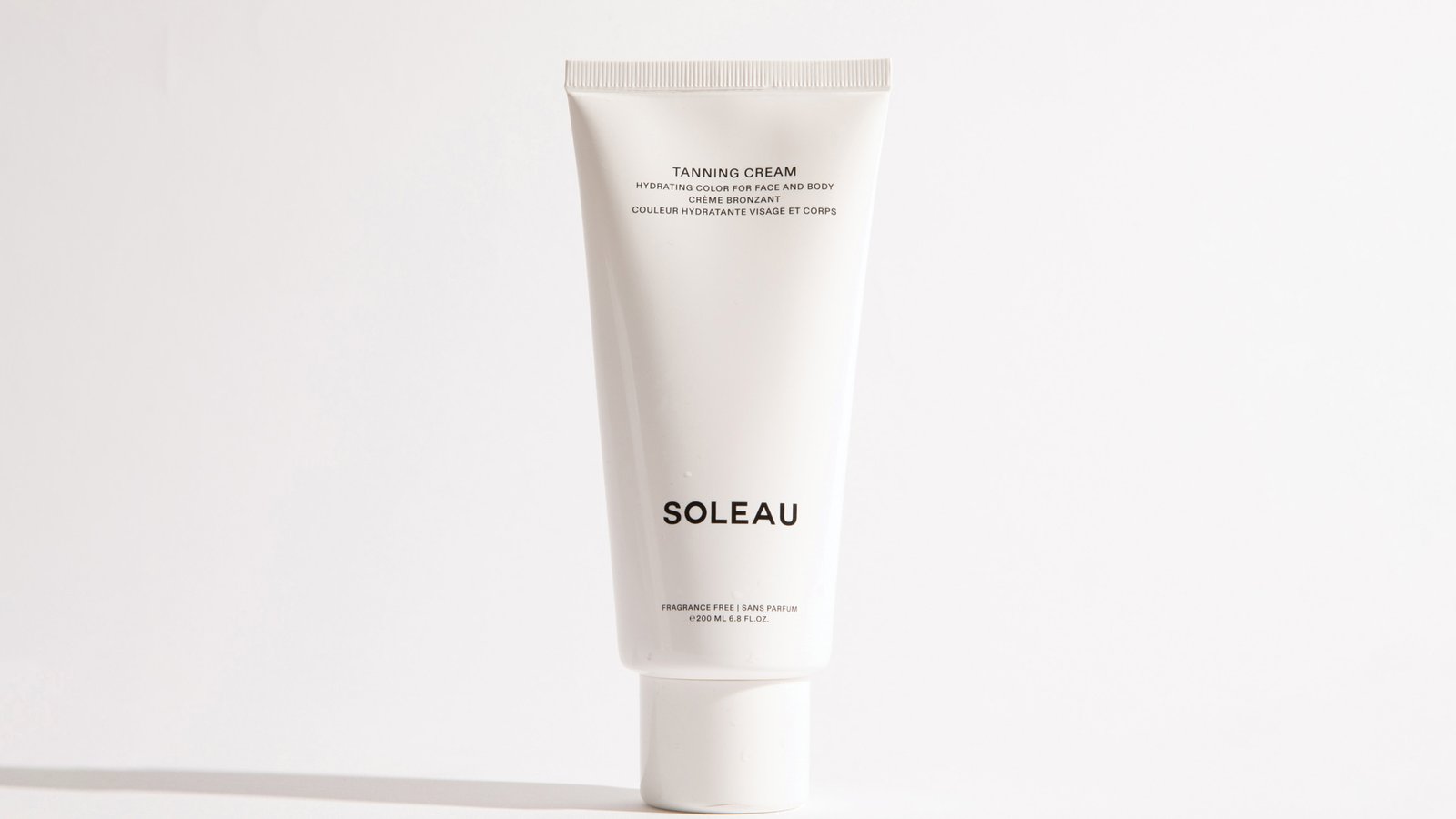
After testing dozens of formulas, the one I keep recommending to men specifically is Soleau Tanning Cream.
It's a cream formula, which makes application feel natural and familiar. The DHA is plant-sourced, so the color that develops is genuinely warm and golden, not the reddish-orange you get from cheaper options. And the smell during development is so faint it's nearly nonexistent.
Jeff S., a verified buyer, said it this way: "Works well and it is odor free." That's the whole pitch for a lot of men. Something that does what it says without any of the parts that make self tanner feel like a project.
Final Thoughts on Male Self Tanning
Men can use self tanner, it looks good when done right, and the learning curve is one application. The only barrier is the idea that it's not for you, which is a marketing convention rather than a skin science reality.
The keys: exfoliate the night before, use a cream formula with natural DHA, apply lightly in sections, let it develop fully before you shower.
Start with one layer and see where you land before going for more depth. Most men find that a single light application every 5 to 7 days is all they need to maintain a consistent, healthy-looking glow through winter.
If you want something that's as close to maintenance-free as self tanner gets, look at our guide on self tanners for natural-looking results for a comparison across different skin tones. And if you've already tried self tanning and had a bad experience with streaks or patchiness, the formula almost certainly mattered more than your technique.
Ready to pick a product instead of just a strategy? Our best self tanner for men roundup ranks the formulas that made application easiest for our male testers, no mitt required.
One good product makes the whole thing simple. Give it a proper try before writing it off.
Shop Soleau Tanning Cream →Frequently Asked Questions About Men Self Tanning
Do men need a different self tanner than women?
No. The same formulas work on male and female skin. The active ingredient, DHA, reacts with skin cells the same way regardless of gender. Skip anything marketed as "for men" at a premium price point. It's the same chemistry.
Will self tanner look fake on a man?
It won't if you pick the right formula and don't overapply. The orange, plasticky results come from poor-quality DHA or using too much at once. A clean cream formula applied lightly over two or three sessions looks natural. Not like a spray tan.
Does body hair affect self tanner?
Not at all. DHA reacts with the amino acids in your skin cells, not with hair follicles. You'll get an even tan right through body hair with no weird patching or color buildup on the hair itself.
How long does self tanner last on male skin?
Typically 5 to 7 days with one application. Skin cell turnover determines how fast the tan fades, and that rate is similar for men and women. Regular moisturizing extends it. A quick maintenance application once a week keeps the color consistent year-round.
Can men use self tanner on their face?
Yes, but use less product than you would on your body. Face skin develops faster and darker than body skin, so a thin application goes further than you'd expect. Blend carefully down past the jawline and into the neck to avoid a visible line. Our guide on self tanning your face covers the full technique.