Does Self Tanner Expire? Shelf Life Explained

I found a half-used bottle of self tanner in the back of my cabinet last month, from a brand I hadn't bought in over a year. My first thought wasn't "great, a free tanner." It was "is this still good?"
Does self tanner expire? Yes, it does, the same way most of your skincare does. The good news is that using an old bottle almost never hurts your skin. It just stops giving you the color you're paying for.
Here's exactly how long yours actually lasts, what it looks like when it's past its prime, and how to store it so you're not tossing a half-full bottle every few months.
How Long Self Tanner Actually Lasts
Unopened and sealed, most self tanners hold up for two to three years. That's typical for the category, and it's why you'll rarely see a hard expiration date printed anywhere on the box.
Opened, the clock moves faster. Plan on six to twelve months once you break the seal, depending on the formula and how you store it.
DHA, the ingredient responsible for the color, is reactive by nature. That's the whole point of it. But it also means exposure to air and light starts breaking it down the moment the bottle is opened.
Look for a small open-jar icon on the packaging with a number inside, something like 12M or 24M. That's the Period After Opening symbol, and it tells you how many months you've got once you start using it, separate from any manufacturing date.
Signs Your Self Tanner Has Gone Bad
A few tells show up before your bottle is fully done for.
Separation or a watery texture. Give it a shake. If it doesn't recombine into a smooth lotion, the emulsion has broken down and it's not going to apply evenly no matter how much you use.
A sour or off smell. Self tanner has its own scent while it develops, sometimes a mild biscuity note, but a sour or rancid smell right out of the bottle is a different thing entirely and a sign to toss it.
A color shift inside the bottle. DHA breaking down often turns a formula darker or slightly yellowed compared to when you first bought it, even before you've applied a drop. Sometimes that shift goes further, and our guide to green-tinted self tanner covers exactly why an old bottle can turn that particular shade.
A weaker color. This is the one most people notice first. You apply your usual amount and get a fraction of your usual color, or the color that does show up looks blotchy instead of even.
If you're dealing with patchiness and you know your bottle isn't old, our guide to fixing streaky self tanner covers the other common causes.
Is Expired Self Tanner Actually Safe to Use?
Generally, yes. Expired self tanner isn't typically a safety risk the way expired food or medicine can be. It's a performance problem. You're mostly just wasting your time and getting disappointing color for the effort.
That said, if a formula smells sour, has visibly separated, or looks noticeably different in color inside the bottle, it's not worth the gamble on your skin. When in doubt, toss it and start a fresh bottle.
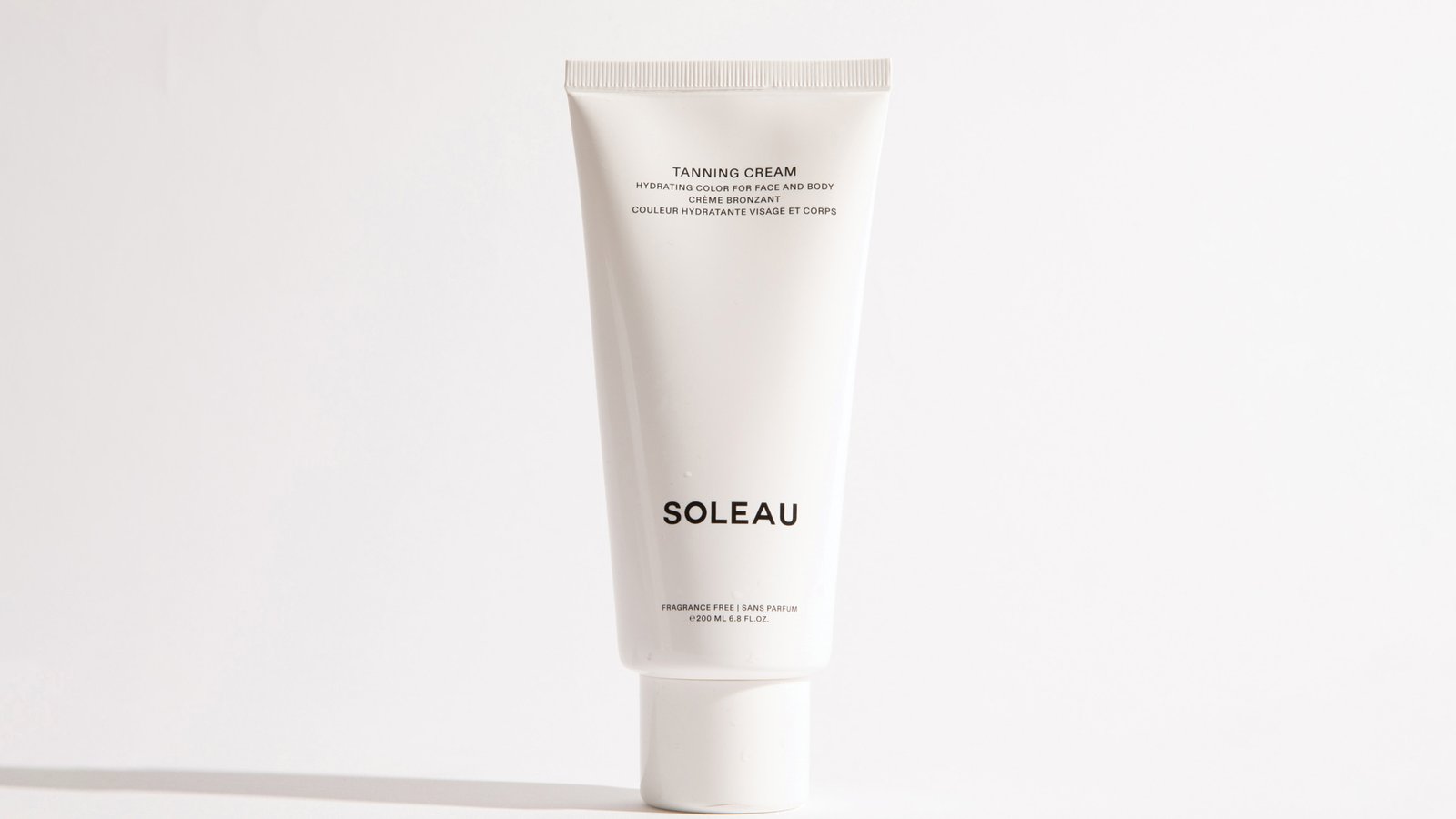
This is one more reason we like a cream over a bigger mousse bottle for regular use. Since a coin-sized amount of Soleau Tanning Cream covers a full arm, a tube gets used up well within its shelf life instead of sitting half-full in a cabinet for a year.
"Love this tanning cream! The color is very natural looking and lasts for several days in between applications. Very happy!"
How to Store Self Tanner So It Lasts Longer
Your bathroom is the worst place to keep it, even though it's the most convenient. Heat and humidity from your daily shower speed up how fast DHA breaks down.
A linen closet, a bedroom drawer, or anywhere cool and dry does a much better job. Keep the cap screwed on tight between uses so less air gets in, and never leave a bottle in a hot car, even for a quick errand.
A few summers ago I left a mousse bottle in my back seat during a beach trip. I came back to a gritty texture that never recombined. The whole bottle went straight in the trash.
Buying a smaller size if you tan occasionally, rather than a large bottle that sits around for a year, is the simplest fix of all. You'll finish it while it's still fresh instead of wondering, six months from now, whether that half-used bottle is still doing its job.
For more on what's actually inside your bottle and why some formulas hold up better than others, see our self tanner ingredients guide. And if a lingering smell is what tipped you off that something's off, our guide to fragrance-free self tanner explains what a fresh, well-made formula should actually smell like.
My honest take: don't let an old bottle guilt-trip you into using it past its prime. If it's separated, smells off, or just isn't giving you color anymore, it's done its job and it's time for a new one. For everything else on removal, storage, and troubleshooting, our full self tanner problem-solving guide is a good next stop.
Shop Soleau Tanning Cream →Frequently Asked Questions About Self Tanner Shelf Life
Does self tanner expire?
Yes. Unopened, most self tanners are good for two to three years. Once opened, plan on six to twelve months before the DHA starts to break down and the color it produces gets weaker and less even.
Is expired self tanner safe to use?
It's typically not a safety risk, just a performance one. Expired self tanner usually just produces a weaker result that fades patchy, rather than any kind of irritation. A formula that smells noticeably sour or has visibly separated is worth tossing though.
How can I tell if my self tanner has gone bad?
Look for separation or a watery texture, plus a sour smell instead of the usual biscuity DHA scent. The color inside the bottle can shift too, often turning darker or yellowed, and if your usual amount stops producing your usual color, that's a sign as well.
Where should I store self tanner to make it last?
Somewhere cool and dry, away from bright light. Your bathroom cabinet is actually a bad choice, since heat and humidity from showers speed up DHA breakdown. Keep the cap on tight between uses and never leave a bottle in a hot car.
Does self tanner have a PAO symbol?
Most do, a small open jar icon with a number like 12M or 24M printed on the packaging. That number tells you how many months the product is good for once you open it, separate from any printed expiration date.