How to Remove Self Tanner From Your Hands

You washed your hands right after applying, or you thought you did. By morning your palms are a shade darker than the rest of you, with faint orange lines tracing every knuckle crease.
If you just typed how to remove self tanner from your hands into your phone mid-panic, take a breath. This happens to almost everyone at some point. It also comes off faster than you'd think.
I once shook a client's hand at a launch event with palms the color of a pumpkin spice latte. Nobody said a word. I noticed anyway, and I've kept a fix on hand ever since.
Why Hands Stain Darker Than the Rest of You
Self tanner works by reacting DHA, the tanning ingredient, with the dead surface cells of your skin. Everywhere on your body, that reaction happens roughly the same way.
The back of your hands and your knuckles are different. The skin there is thin and textured, full of tiny creases where product pools instead of spreading evenly.
More product sitting in one spot means a faster reaction. The result often looks duller and more orange than the golden color developing on your arms.
Your palms tell a slightly different story. They rarely tan the way skin elsewhere does, but leftover DHA residue sitting on the surface still shows up as a stain, especially in the lines of your palm and around your nail beds.
None of this means you did anything wrong. It just means hands need a bit of extra attention, both when you apply and if a stain sneaks through anyway.
Fast Fixes for Fresh Stains, Same Day
If you catch it within a few hours, before the DHA has fully developed, you have the most options. Speed matters here more than anything else.
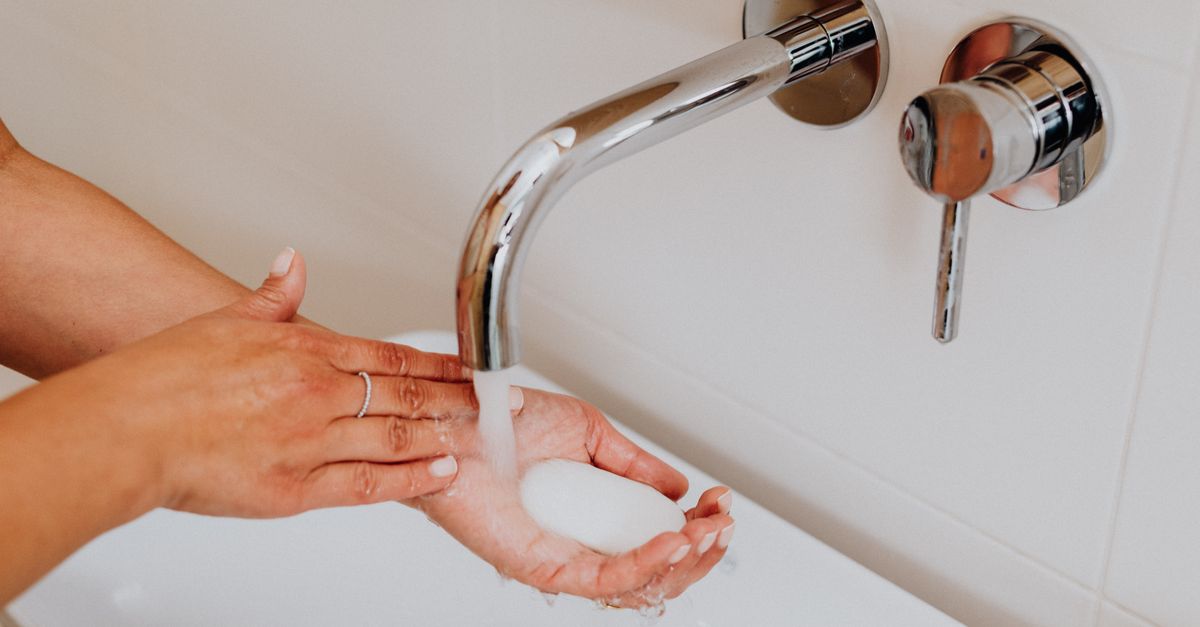
Baking soda and dish soap. Mix a spoonful of baking soda with a drop of dish soap and a little water until it forms a paste. Rub it into your palms and knuckles in small circles for about a minute, then rinse.
The mild grit lifts surface DHA before it sets. The dish soap cuts through any residue still clinging to your skin.
A nail brush under warm water. Focus on knuckle creases and around your cuticles, where product tends to collect. Thirty seconds per hand is usually enough to make a visible difference.
Lemon juice and sugar. If your skin is on the sensitive side, this is a gentler option. The sugar grains provide light exfoliation while the citric acid helps break down the surface stain. Rinse well afterward since citrus can be irritating if left on too long.
What Works on Set-In Stains a Day or More Later
Once the DHA has fully oxidized, none of the fast fixes above will do much. The color has finished developing and is just sitting in your skin's outer layer now, waiting to shed naturally.
An exfoliating mitt in the shower speeds this along. Focus on your knuckles and the sides of your hands, and expect gradual fading rather than an instant fix.
A dab of whitening toothpaste left on stubborn knuckle stains for a minute or two before rinsing can help too, thanks to its mild abrasives. Skip nail polish remover on skin. Acetone is harsh and can leave your hands dry and irritated for a result a baking soda scrub handles just as well.
Mostly, this just takes patience. Normal handwashing and the natural turnover of your skin cells clear a set-in stain within two to three days on their own.
How to Stop Your Hands From Staining Next Time
Prevention beats scrubbing every time. A few habits make a real difference.
Apply with a mitt or a pair of thin gloves instead of bare hands. If you do use your hands for the last bit of blending, wipe your palms with a damp cloth within a minute of finishing, then wash with soap once you're done applying everywhere else.
Moisturizing your knuckles and cuticles before you start also helps. Dry skin absorbs DHA unevenly, and a thin barrier of lotion first keeps product from grabbing hold in those creases the way it does on bare skin.
Formula matters here too. A cream that sinks into skin quickly leaves less product sitting on the surface of your hands than a formula that stays wet and transferable for longer.
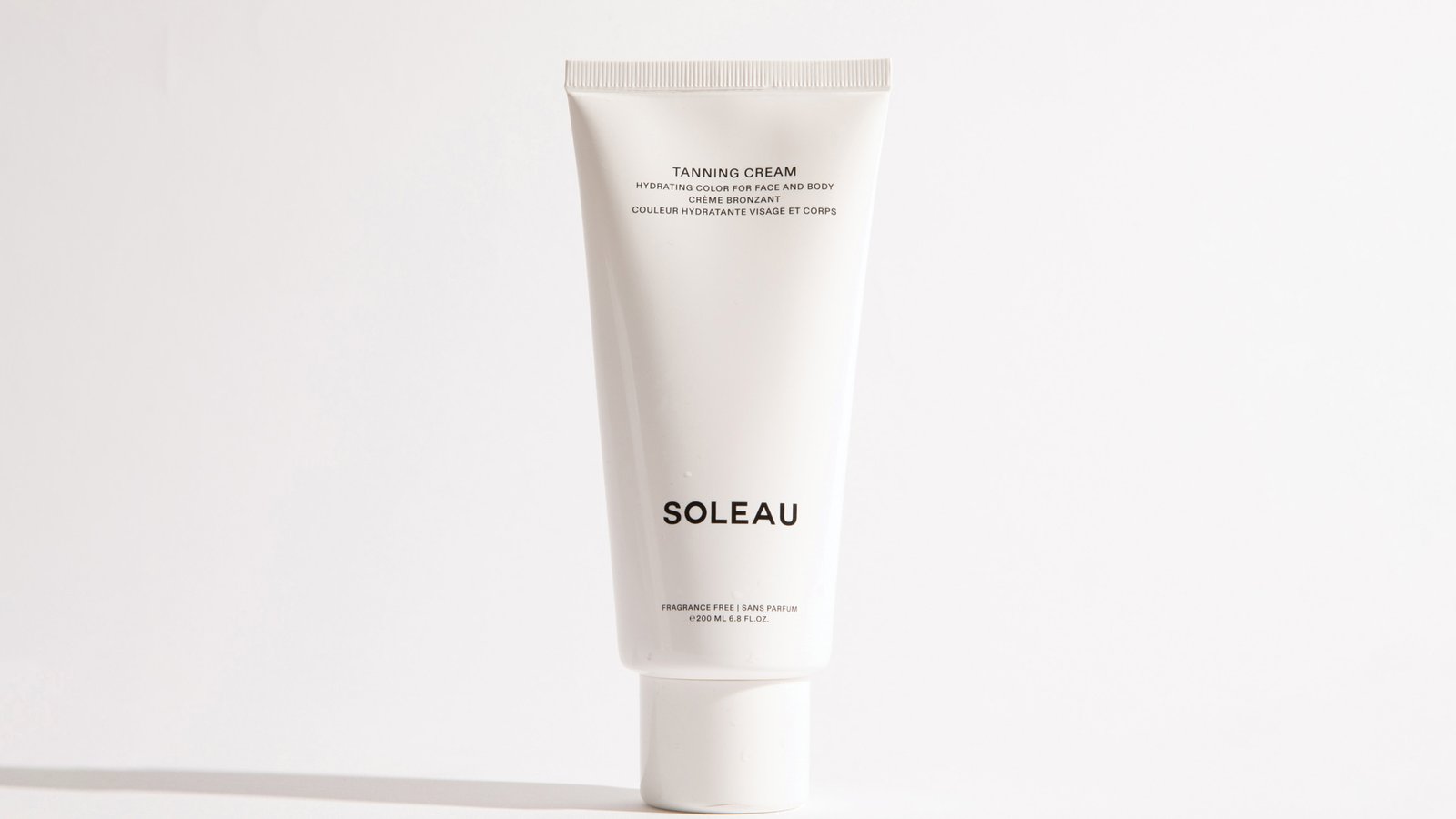
That's exactly the gap a well-made cream like Soleau Tanning Cream is built to close. It absorbs fast and skips the guide-tint layer that stains hands hardest on tinted mousses and foams.
"I've tried many self tanners, soleau is the most natural looking tan, no fragrance at all. I mix with a small amount of body lotion with latex gloves & have a glowing tan even after one use, but used daily it gradually gets darker just like I've been on the beach every day!"
A Note on Your Nails
Stained nail beds and cuticles are the last holdout for most people. A soft nail brush with a bit of soap handles most of it, and any leftover tint under the tip of your nail grows out within a couple of weeks.
Petroleum jelly rubbed onto your cuticles and the sides of your nails before you apply works as a barrier, the same trick manicurists use before a gel polish. It's a small step, but it saves you from scrubbing later.
For the full rundown on removing self tanner from everywhere else on your body, see our complete guide to removing self tanner. If the rest of your tan is coming off patchy instead of just your hands, our guide to fixing streaky self tanner covers that separately.
When It's Not Just Your Hands
If you're also noticing self tanner on your sheets, towels, or clothes, hand staining is usually a symptom of the same root cause: too much product left sitting on the surface of your skin instead of absorbing in. Our guide on stopping self tanner from transferring onto sheets covers the fix for that side of the problem.
And if you'd rather sidestep hand staining altogether, applying with the right tool makes the biggest difference of anything on this page. Our tanning mitt guide walks through exactly how to use one so your hands never touch the product in the first place.
Does self tanner stain more than just your hands? Yes, and we cover the fabric and furniture side of that question in our full guide to self tanner stains.
Hands aren't the only spot that needs its own gentler approach. Our guide to removing self tanner from your face covers the same idea for skin that's even more sensitive than your knuckles.
My honest take after years of testing: don't panic over orange palms. It's the most common self-tanning mishap there is, and it's also the easiest one to fix. Scrub with baking soda if you catch it early, be patient if you don't, and switch up your application habit for next time.
Shop Soleau Tanning Cream →Frequently Asked Questions About Removing Self Tanner From Hands
How do I get self tanner off my hands fast?
Scrub with a mix of baking soda and a little dish soap on a damp washcloth within the first few hours, before the DHA fully sets. Work in small circles across your palms and knuckle creases, then rinse and moisturize.
Does baking soda remove self tanner from hands?
Yes, baking soda is a gentle physical exfoliant that lifts surface DHA before it fully develops. Mix it into a paste with a drop of water or dish soap and rub it over stained areas, then rinse well.
Will self tanner stains on my hands go away on their own?
Yes. Once the DHA reaction finishes, the stain is just sitting on your skin's surface layer, and it fades with normal handwashing and cell turnover over two to three days.
How can I stop my hands from staining every time I self tan?
Apply with a mitt or gloves instead of bare hands, and if you do use your hands, wipe your palms with a damp cloth within a minute of applying and wash with soap shortly after. A cream formula that absorbs quickly also leaves less product sitting in your knuckle creases.
Is it safe to use nail polish remover on self tanner stains?
We don't recommend it. Acetone is harsh on skin and can cause irritation or dryness for a result that a baking soda scrub or a bit of patience will fix just as well.