Self Tanner Turned Green? Here's Why

A reader sent me a panicked message last week with a photo of her arm. Her self tanner had turned green, and she wanted to know if she'd ruined her skin. She hadn't.
Green self tanner freaks people out because it looks wrong in a way orange never does. Orange at least still reads as "tan gone bad." Green reads as something is chemically off, which is a fair instinct to have.
Here's what's actually happening, and how to tell the difference between a normal phase and a bottle you should toss.
DHA Oxidation Is the Root Cause
Every self tanner that actually works relies on DHA, dihydroxyacetone, reacting with the amino acids in your skin's surface layer. That reaction is what produces color.
DHA is chemically reactive by nature, and that reactivity doesn't stop once it's sitting in the bottle. Exposure to air and heat, plus light, causes it to oxidize over time, and part of that breakdown process can shift toward a greenish tone instead of the warm brown you're expecting.
An older bottle, one left in a hot car or a steamy bathroom for months, is far more likely to produce this than a fresh one. If your tanner has been sitting around since last summer, that's the first thing I'd suspect.
Is Green Self Tanner a Safety Concern?
No, and this is the question I get most once someone realizes the color is genuinely green and not just a trick of bathroom lighting.
Oxidized DHA usually isn't a health hazard. In most cases, this isn't an allergic reaction, just a cosmetic ingredient that's past its most effective window, producing an off color rather than the tan you expected.
That said, if you notice itching, swelling, or a rash along with the color change, stop use and check with a dermatologist rather than assuming it's just an old bottle.
That said, "not dangerous" doesn't mean "worth using." A formula that's degraded enough to turn green in the bottle has likely lost potency elsewhere too, which means color that's patchier and less predictable, even where it isn't visibly discolored.
I tested this myself out of curiosity a few years back, comparing a bottle I knew was two years past opening against a fresh one from the same brand. The old bottle went on thin and uneven, and yes, slightly green around the edges by hour two. The fresh bottle looked completely normal.
Two Very Different Kinds of Green
This is the part that actually matters. Not all green is the same problem, and mixing them up leads to either needless panic or using a bottle you should have thrown out.
Temporary green during early development. Some formulas include a green-tinted color corrector meant to neutralize redness in skin before the tan sets in.
If you catch your skin in the first 30 to 60 minutes after application, you might see a grayish-green cast that looks alarming in bad lighting. This fades to brown on its own as the DHA finishes developing.
Green from a formula that has oxidized and degraded. This shows up differently. It's usually patchy rather than all-over, it lingers well past the normal development window, and it often comes with a sour smell instead of the usual biscuity DHA scent. This is your bottle telling you it's past its prime.
If you're not sure which one you're dealing with, wait it out for a few hours before you panic. A color-corrector green will have resolved into your normal tan by the time you'd otherwise be checking the mirror for the tenth time.
Deodorant and Antiperspirant Reactions
Underarm green deserves its own explanation, since it's one of the most common complaints I hear about.
Antiperspirant contains aluminum-based compounds, and those compounds can react with DHA in a way that produces a distinct green discoloration right where the residue sits. This is a localized reaction, not a sign your whole bottle has gone bad.
The fix is straightforward. Wash and fully dry your underarms before applying self tanner, and skip antiperspirant entirely until your color has developed. Plain deodorant without aluminum compounds is a much safer bet on tanning days.
I made this mistake myself early on, reapplying deodorant right before a tanning session because I was worried about smelling off during the wait. My underarms came out a patchy sage green by evening. Lesson learned. Now I apply deodorant the morning after, once my color has fully set.
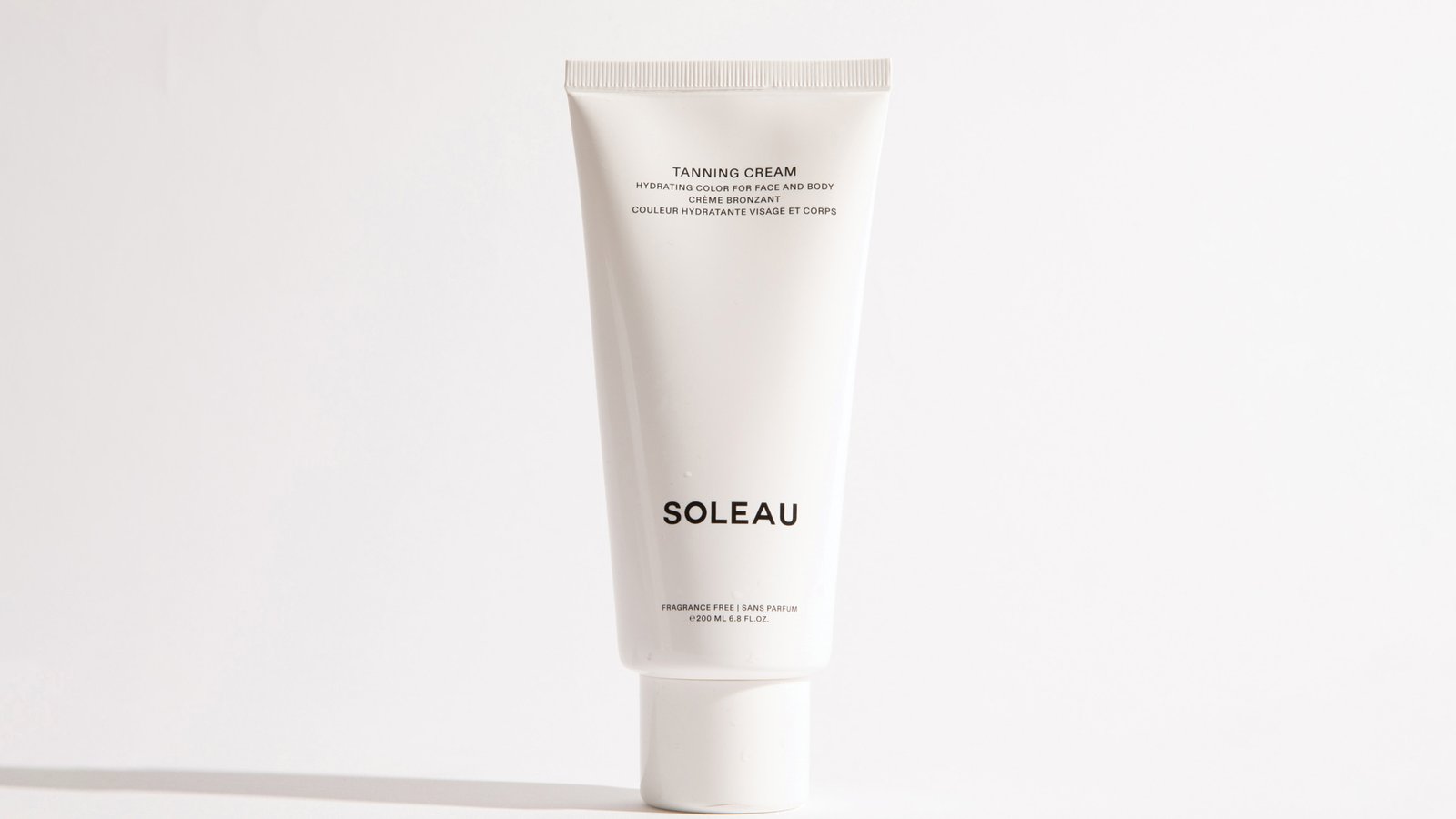
This is exactly why we recommend a clean formula like Soleau Tanning Cream, since a fresh tube used regularly never sits around long enough to reach the kind of age-related breakdown that causes green discoloration in older bottles.
"Drys quickly and I get perfectly even color ever time. I use every 2-3 days for a continuous tan. Best product out there in my opinion!"
Green vs the Usual Orange Complaint
Orange and green sound like opposite problems, but they actually come from related causes. Both are signs that the DHA reaction didn't go the way it should have.
Orange usually happens in real time, during a single application, when a formula's DHA concentration is too high for your skin tone or you've applied too much product in one spot. It's an application problem more often than a product problem.
Green, on the other hand, is far more often a product problem. It points to the formula itself, whether that's age, storage, or an ingredient reaction like antiperspirant residue, rather than how much you applied or where.
Knowing which one you're dealing with tells you what to actually fix. Orange means adjust your technique or your product's concentration next time. Green means check your bottle's age or your pre-tan routine before you blame the application.
Salon and Spray Tan Storage Issues
If a professional spray tan has left you green rather than a bottle you applied yourself, the cause usually sits with the salon rather than you.
Spray tan solution stored improperly, left too warm or exposed to light between clients, breaks down the same way a bottle in your bathroom cabinet does. A reputable salon rotates and stores solution carefully, so a green result is worth mentioning to them directly.
It's also worth asking which brand and solution strength they used. Some professional-grade solutions run higher DHA concentrations than anything you'd buy at a drugstore, and higher concentrations tend to show oxidation issues faster once a bottle is opened.
Does Green Self Tanner Stain Sheets or Clothes?
Oxidized DHA can transfer just like fresh DHA does, and a formula that's old and degraded sometimes transfers worse because it hasn't fully bonded with skin the way a fresh product does.
If you've applied a bottle you suspect is past its prime, sleep on a towel rather than your good sheets, and wear something you don't mind marking up until you've confirmed the color settled normally.
Our guide to self tanner staining covers the cleanup methods that work whether the transfer came from a fresh product or an aging one.
What to Do Right Now If You've Gone Green
First, don't scrub. Aggressive scrubbing right after a green result can leave your skin patchier than it started, especially if some of the color has already begun setting.
Shower with a gentle exfoliating mitt and lukewarm water. This softens any uneven color without stripping your skin raw. Our full guide to removing self tanner covers the exact methods that work best without irritating skin further.
If the green is isolated to your underarms from a deodorant reaction, a diluted lemon juice rinse can help fade it faster than washing alone. Rinse thoroughly afterward so citrus doesn't sit on skin in the sun.
Once you're back to your natural color, reapply with a fresh product and the deodorant-free routine above. Most people never see the issue again after that single fix.
Preventing It From Happening Again
Check the manufacture or purchase date on any bottle that's been sitting around for more than a year. Our guide to self tanner shelf life walks through exactly how long you can expect a formula to stay good, and how to store it so it lasts.
Store your tanner somewhere cool and dry, never in a hot car or a steamy bathroom cabinet. Heat is the single biggest accelerant for the oxidation that eventually turns a formula green.
Buy smaller bottles if you tan occasionally rather than a large one that sits half-used for a year. You'll finish it while it's still fresh instead of gambling on a bottle that's been open since last spring.
Write the date you opened a bottle on a piece of tape stuck to the bottom. It sounds excessive until the one time it saves you from a green surprise the morning of something important.
If patchiness rather than color is your main frustration, our guide to fixing streaky self tanner covers the other most common application mistakes.
Curious what's actually driving that color reaction in the first place? Our self tanner ingredients guide explains the DHA science in more depth.
My honest take after years of fielding these panicked messages: green almost never means your skin is in danger. It means either your bottle is old, your deodorant got in the way, or you checked the mirror too early. All three are fixable.
Shop Soleau Tanning Cream →Frequently Asked Questions About Green Self Tanner
Is it normal for self tanner to turn green?
A faint green-gray cast during the first hour of development can be normal on some formulas as DHA starts reacting. A green tint that shows up on an older bottle, or appears well after your tan has already developed, usually means the product has started to break down.
Will the green wash off?
If it's a temporary color-correcting base showing through during early development, yes, it fades to brown on its own within a few hours. If it's oxidation from an old or poorly stored bottle, washing won't fix the uneven color that's already developed on your skin.
Why did my underarms turn green after self tanner?
This is almost always a reaction with leftover deodorant or antiperspirant. The aluminum compounds in antiperspirant react with DHA and produce a greenish discoloration right where residue was sitting on the skin.
How do I know if my self tanner has just gone bad?
Check the color inside the bottle, not just on your skin. A formula that looks visibly greenish, has separated, or smells sour before you've even applied it has broken down and should be replaced.
Can I still use self tanner that looks green in the bottle?
It's usually not a safety risk, but it's not worth the gamble on your skin either. A formula that's visibly discolored in the bottle will apply unevenly and develop a color you didn't sign up for. Toss it and start fresh, and if you notice any itching or irritation rather than just discoloration, check with a dermatologist.