Soleau Tanning Cream Ingredients: What's Really Inside

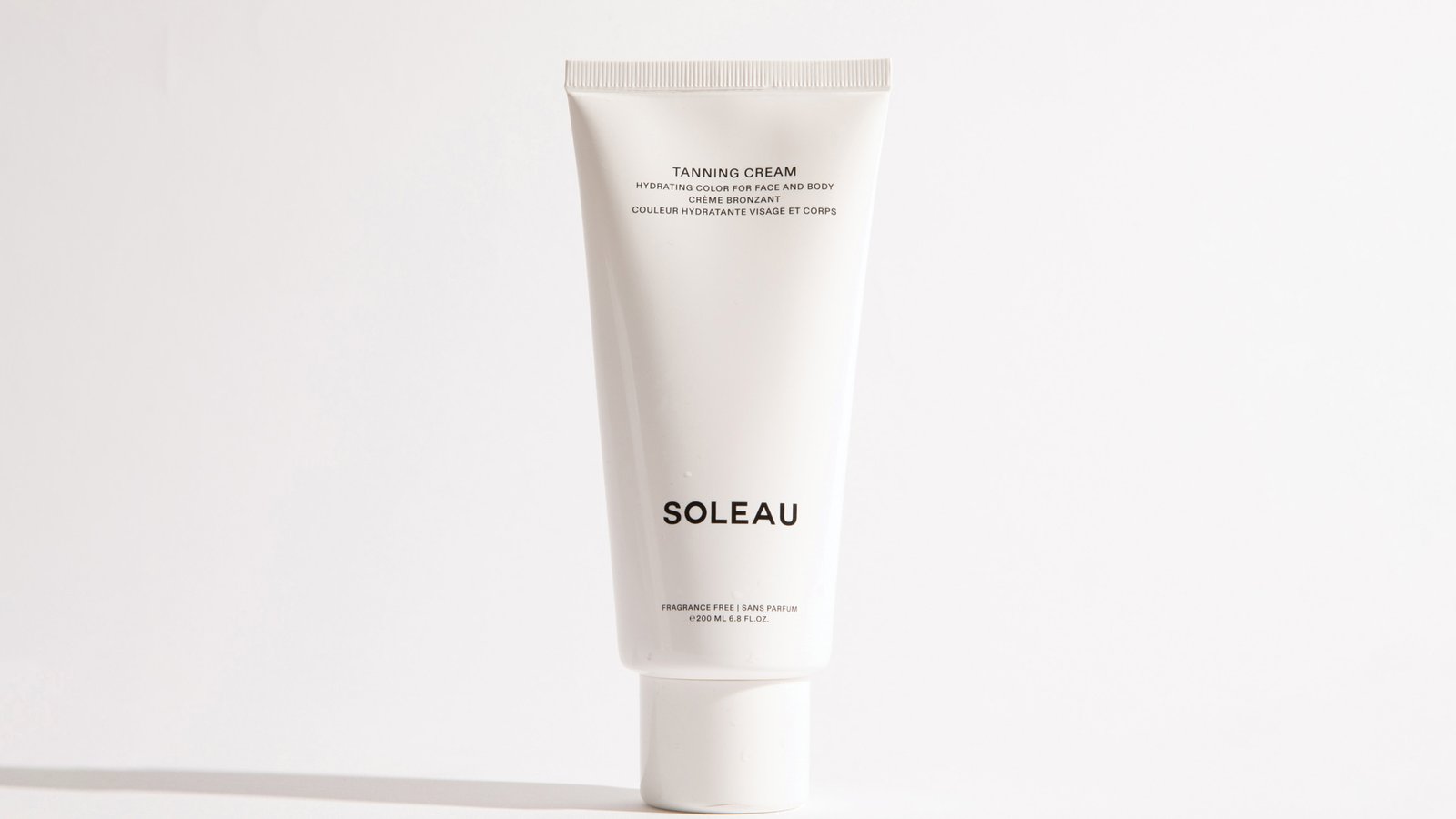
Before anything goes on your skin, you want to know what's actually in it. That's especially true for a self-tanner you'll wear for days at a time, which is why so many readers search Soleau tanning cream ingredients before they buy.
I've spent eight years reading self-tanner labels for a living, so I pulled the full ingredient list and broke down what each thing does. No guessing, no marketing language. Just what's printed on the tube.
What Actually Matters in a Self-Tanner Ingredient List
Every self-tanner on the market uses some form of dihydroxyacetone to build color. That part is standard. What separates a formula worth buying from one that isn't is everything built around that active.
Watch for added fragrance, which is the top cause of the biscuity smell people complain about. Watch for drying alcohols, which speed up set time at the cost of skin that feels tight and flaky a day later. And watch for synthetic dyes, which exist purely to tint the formula and add nothing for your skin.
A clean list skips those three and replaces the gap with oils and humectants that actually do something for your skin while the color develops.
The Tanning Active: Dihydroxyacetone
DHA is the ingredient responsible for the color itself. It reacts with amino acids in the outermost layer of your skin in a process called the Maillard reaction, the same basic chemistry that browns bread crust.
That reaction only happens at the surface. DHA doesn't absorb into deeper skin layers or your bloodstream, which is why the color fades as those surface cells naturally shed over about a week.
It's been cleared by the FDA for external cosmetic use since the 1970s, and it's the active in nearly every self-tanner on shelves today, from drugstore mousses to prestige creams. Soleau uses the same active. What's different is what surrounds it.
Why Ingredient Order on the Label Actually Matters
Ingredient lists are printed in order of concentration, highest to lowest. That order tells you more than the marketing copy on the front of the box ever will.
Water leads the list here, which is normal for a cream. Right behind it sits the tanning active and the emollients, not a long chain of filler. On a lot of cheaper formulas, you'll find thickeners and synthetic fragrance sitting higher on the list than anything that actually benefits your skin.
Reading the first five ingredients on any self-tanner you're considering tells you whether you're buying skincare with color built in, or a costume with a skincare label glued on top.
The Full Ingredient List, Grouped by What It Does
Here's every ingredient on the label, sorted into groups so it actually makes sense instead of reading like a chemistry exam.
Hydration and skin feel
- Squalane and Sodium Hyaluronate, which hold moisture in the skin
- Glycerin, a humectant that pulls water into the surface layer
- Jojoba Seed Oil, Sweet Almond Oil, and Argan Kernel Oil
- Shea Butter and Rosehip Seed Oil
- Passion Fruit Seed Oil
This is the part of the formula that turns a self-tanner into something that also functions as a moisturizer. Most of these oils show up in facial skincare lines long before they show up in a tanning product.
Texture and stability
- Coco-Caprylate/Caprate, a lightweight coconut-derived emollient
- Cetyl Alcohol, a fatty alcohol that thickens the cream (not a drying alcohol)
- Caprylic/Capric Triglyceride, Cetearyl Olivate, and Sorbitan Olivate
- Polysorbate 60 and Dimethyl Isosorbide, which help everything blend into one stable cream
None of these are exotic. They're the kind of workhorse ingredients that show up across clean skincare, doing the unglamorous job of keeping a cream from separating in the tube.
Preservatives and antioxidants
- Phenoxyethanol and Ethylhexylglycerin, a widely used preservative pairing
- Tocopherol (Vitamin E), an antioxidant
- Apple Fruit Extract, another antioxidant source
- Citric Acid, which balances the formula's pH
A cream needs some form of preservative or it wouldn't survive a month in your bathroom, let alone a shelf at a warehouse. Phenoxyethanol at low concentration is one of the most common choices in clean beauty for exactly that reason.
How This Compares to What's Already in Your Moisturizer
Look at the ingredient deck of a decent daily moisturizer and you'll recognize a lot of these names. Squalane, shea butter, and hyaluronic acid show up in serums and night creams across every price point, because they work.
That overlap is exactly why so many buyers describe this tanning cream doing double duty as their moisturizer. You're not layering a tanning step on top of your routine. You're swapping one step for a product that does both jobs at once.
I noticed this myself the first week I tested it. My skin felt the same as it did on my nightly moisturizer, just with color added. That's not something I can say about most self-tanners I've tried.
What's Deliberately Left Out
The absences matter as much as what's there. Soleau's label lists no added fragrance, no essential oils, no drying alcohols, no silicones, no synthetic dyes, and no parabens.
This is exactly why we keep coming back to Soleau Tanning Cream when a reader asks what to actually buy. Cutting those six categories is the real reason the formula reads as skincare instead of a costume.
"It is so nice to have a self tanning cream that works and most importantly isn't full of toxic and harmful ingredients, I feel at ease when applying this cream that I am not harming my health"
Is It Reef-Safe?
This question comes up more every year, especially from readers packing for a beach trip. Reef-safe concerns almost always trace back to sunscreens containing oxybenzone or octinoxate, chemical UV filters linked to coral bleaching in reef research.
DHA is a completely different category of ingredient. It's a color-developing active, not a UV filter, and it isn't on the list of chemicals reef researchers flag. Soleau's formula doesn't contain oxybenzone or octinoxate at all.
One caveat worth knowing: a self-tanner still isn't sunscreen. Keep your usual reef-safe SPF in the rotation underneath, since DHA color offers zero UV protection on its own, tan or not.
Vegan, Cruelty-Free, and What That Actually Means Here
Soleau is cruelty-free and doesn't rely on animal-derived ingredients in this formula. For a lot of readers who write in, that's a deciding factor before price ever comes up.
It's worth checking any tanning product's label for animal-derived emulsifiers or lanolin-based ingredients if this matters to you. Soleau's oil-and-butter base sidesteps that question by design.
Is This Formula Right for Sensitive Skin?
Ingredient-conscious shoppers and sensitive-skin shoppers tend to be the same audience, so it's worth calling out directly. Skipping added fragrance and drying alcohols removes two of the most common triggers for a reaction.
Readers with reactive skin regularly mention this formula as the first self-tanner that didn't leave them itchy or blotchy. I'd still patch test any new product on your inner arm first, no matter how clean the label reads.
For the deeper science on how DHA interacts with skin and why some formulas irritate people while others don't, my guide on whether DHA is safe covers the research in full.
What Real Buyers Say About the Ingredients
Notice the pattern. Neither review leads with color or price. Both lead with the ingredient list, which tracks with everything I hear from readers who email me asking exactly this question before they buy.
A Note for Nut and Seed Oil Allergies
Sweet almond oil is a tree nut derivative, and it sits partway down this ingredient list. If you have a tree nut allergy, that's worth flagging before you apply this or any other product containing almond oil to a large area of skin.
Jojoba is technically a seed oil rather than a nut, and most tree nut allergies don't cross-react with it, but check with your doctor if you're unsure rather than guessing. The patch test above covers exactly this kind of risk, which is one more reason not to skip it.
Should You Still Patch Test?
Yes, even with a clean label. Everyone's skin reacts to individual ingredients differently, and a formula being free of common irritants doesn't guarantee it's free of everything your specific skin might respond to.
Apply a small amount to your inner forearm and give it 24 hours before you commit to a full-body application. It takes one extra day and saves you from finding out the hard way, three days before an event, that something in any product doesn't agree with you.
How Soleau's Ingredients Compare to a Typical Drugstore Tanner
A lot of drugstore self-tanners build their formula around alcohol denat as a quick-drying carrier, plus a synthetic fragrance blend to mask the DHA smell. That combination sets fast, which some people like.
The tradeoff shows up a day or two later, when skin that was stripped by the alcohol starts flaking unevenly and taking the color with it in patches. An oil-and-butter base avoids that whole problem by hydrating instead of stripping.
If you want the ingredient science behind self-tanners more broadly, not specific to any one brand, my guide to what's actually in self tanner breaks down what to look for on any label.
For a full category-by-category look at this exact matchup, our Soleau vs Jergens comparison puts this ingredient list head to head against a drugstore lotion by name.
The Bottom Line on What's in the Tube
Strip away the marketing and Soleau's ingredient list is short on surprises. DHA for color, a handful of real oils and butters for hydration, a basic stabilizer system, and a standard preservative pair. Nothing hidden, nothing you need a chemistry degree to understand.
That simplicity is the point. For the full picture of how it performs once it's actually on your skin, see my complete Soleau tanning cream review, or jump straight to the routine in my step-by-step application guide.
Shop Soleau Tanning Cream →Frequently Asked Questions About Soleau's Ingredients
What is in Soleau tanning cream?
The tanning active is dihydroxyacetone (DHA), carried in a base of jojoba oil, squalane, shea butter, and sodium hyaluronate, plus rosehip, argan, and passion fruit oils. There's no added fragrance, no drying alcohols, and no synthetic dyes.
Is DHA in Soleau safe?
Yes. DHA has been cleared by the FDA for external cosmetic use since the 1970s and is the tanning active in nearly every self-tanner sold today. It reacts only with the outermost layer of skin, so it doesn't absorb into your bloodstream the way an oral supplement would.
Is Soleau tanning cream vegan and cruelty-free?
Yes, Soleau is cruelty-free and doesn't use animal-derived ingredients in the tanning cream formula.
Does Soleau tanning cream contain parabens or PEGs?
No. The formula is made without parabens, PEGs, silicones, and synthetic dyes. Its preservative system uses phenoxyethanol and ethylhexylglycerin, a common combination in clean beauty formulas.
Why does Soleau tanning cream have no scent?
Because there's no added fragrance in the formula at all. The faint scent you notice while it develops comes from the DHA reacting with your skin, not from perfume, which is why it fades to nothing once the color sets.