Soleau Before and After: What Real Results Look Like

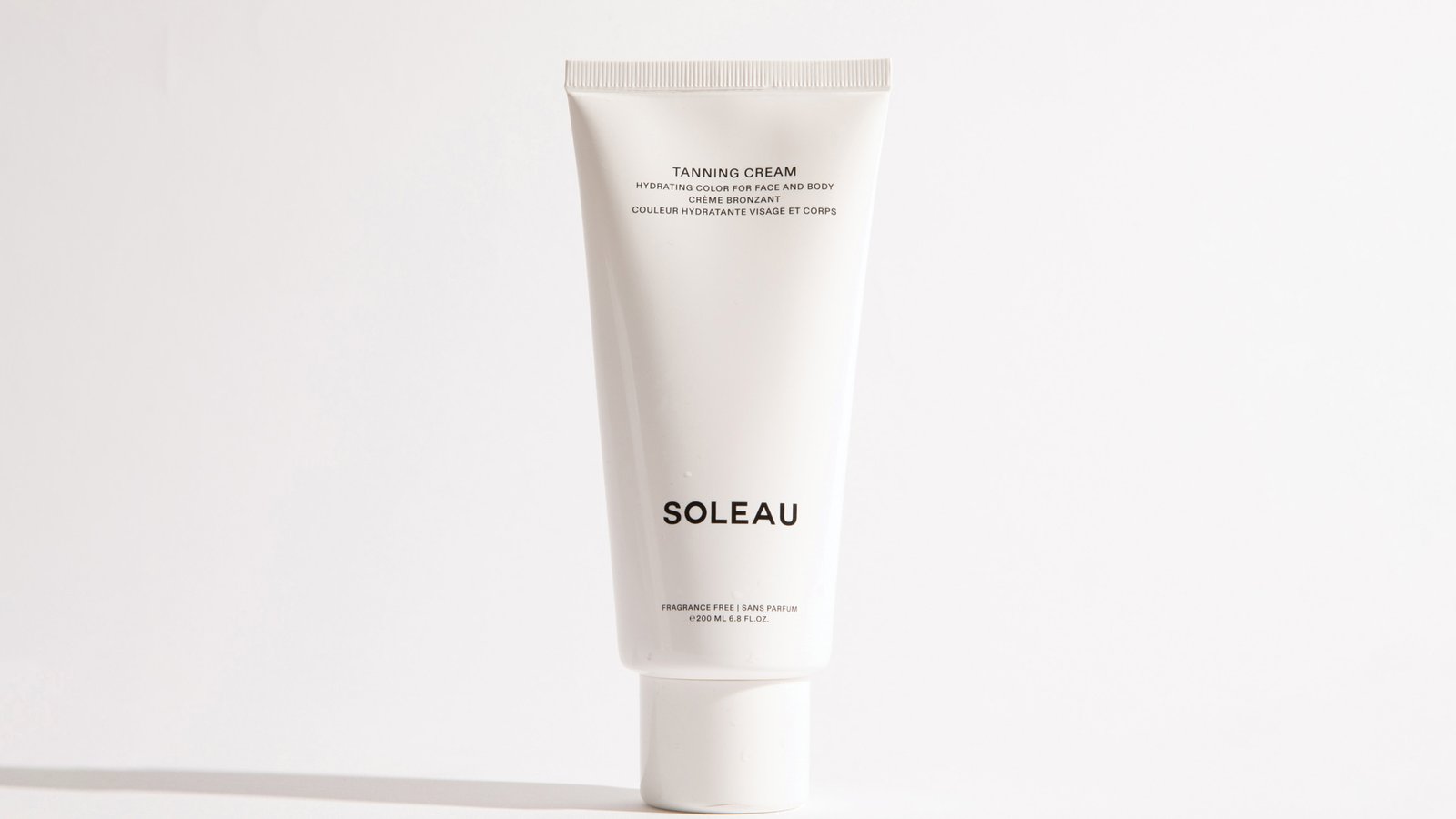
Before I buy any self-tanner, I want to see the receipts. Not the glossy campaign shot. The real Soleau before and after, on real arms, in ordinary bathroom light. That's the search everyone types before they hand over their card, and it's fair. You're about to put color on your whole body. You should know what shows up.
So I did the honest version. I've tested more than 100 self-tanners over eight years, and I put Soleau through the same week-long trial I give everything. One stripe a day on my left forearm, photographed each morning by the kitchen window. Here's what actually happened, plus what verified buyers report.
What a Real Before and After Should Show You
Most tanning "results" photos hide more than they reveal. A ring light overhead, then bronzer dusted on for good measure. That's not what you'll see in your own mirror on a Tuesday.
A trustworthy before and after answers a few plain questions. What color does your skin turn? Is it even from ankle to knee, or blotchy? And does it still look like skin, or like paint?
The tone is the first thing I judge. Good color leans golden or soft mocha. Bad color leans orange or gray. That single difference decides whether a tan reads as "back from the coast" or "fake."
Then evenness. A believable result fades the way a real tan fades, softening a little each day instead of flaking off in patches. If you want the deep dive on that, I broke down how long self tanner lasts in a separate guide.
Last, skin feel. The best formulas leave you moisturized instead of tight. A before and after isn't only about color. It's about whether you'd actually want to touch your own arm afterward.
How the Before and After Changes by Skin Tone
Fair skin and olive skin don't read a tan the same way, so the same product can photograph two different ways. That's not a flaw. It's physics, and knowing it keeps you from chasing someone else's result.
On very fair skin, the before and after is dramatic even after one pass, because there's more contrast to begin with. A single light layer already looks like a long weekend outdoors.
On medium or olive skin, the shift is subtler per application and richer over a few. You're deepening a base that already exists rather than building one from scratch, so the payoff shows up in depth instead of a big jump.
Either way, a buildable cream meets your own starting point. You add color until the mirror says stop, which is the part a stock "after" photo can never promise you.
Cream vs Mousse vs Spray: Why the Before and After Differs
The format you pick decides what your before and after even looks like. A cream behaves nothing like a mousse, and a salon booth spray is a different animal again. It helps to know why before you judge any result photo.
A mousse arrives with an instant tinted guide color, so the "after" looks immediate and dark. That's the draw. The catch is that the guide color can cling to dry patches and streak, and a lot of it rinses off in the first shower, so the tan you keep is lighter than the one in the mirror at bedtime.
A booth spray gives you even coverage from a trained tech in ten minutes, which is why it's a special-occasion favorite. The honest downsides: it's a standing appointment that costs every single time, and it tends to fade inside a week.
A cream sits in its own lane. It absorbs like body lotion, so the color you watch develop on your skin is the real tone that stays rather than a temporary tint that washes away. That's why a cream before and after tends to look like skin you were born with, not a coat you put on.
The Soleau Before and After Timeline
This is exactly why we keep coming back to Soleau Tanning Cream, and where its before and after gets interesting. It behaves like a clean cream that hydrates while it colors, so the "after" looks like skin, not a coat of bronzer.
"After four uses, I have the color that I want. It works fast and it makes your skin a beautiful sun-kissed color."
Here's how the week looked on my own arm, hour by hour and day by day.
Hour one to overnight: the first glow
The cream goes on white and sinks in like lotion. Within a few hours my forearm had a soft golden glow, the kind you'd get from an afternoon on a shaded patio. By the next morning it had deepened into a natural-looking tan with real warmth to it. One buyer put the build perfectly.
"I like that it starts out with light color and it gets darker as you go."
Day two to four: your color, your call
Each morning I added one more layer. Every application deepened the shade a notch, which means you choose exactly where to stop. Want a light summer glow? One or two uses. Want a proper golden bronze? Keep going.
By day four my test arm sat at a deep golden bronze that matched a real beach week. My other arm, untouched, made an obvious before-and-after control.
Day five onward: how it holds
The color kept its warmth for days and softened evenly, no elbow patches, no scaly knees. That even fade is the whole reason the "after" stays photogenic instead of turning into a touch-up job. It also comes down to how you apply, which I cover in my step-by-step guide to applying self tanner.
The "Before" Half Most People Skip
Everyone screenshots the after. The before is where the result is actually won or lost. Skin that's flaky or freshly shaved grabs color unevenly, and that's what turns a glow into a patchwork.
I shower and exfoliate the night before, then do a light second buff on knees and elbows the morning I apply. Dry patches are the number one reason a self-tan photographs blotchy, and they're the easiest thing to fix.
Moisturize the very dry zones a few minutes ahead so they don't soak up a dark ring of product. If streaks have burned you before, my guide to the best streak-free self tanner approach walks through the prep that prevents them.
What Real Buyers See in Their Own Mirrors
My arm is one data point. The pattern across hundreds of Soleau reviews is what makes me confident, because people describe the same before and after I saw.
The results hold up on skin that usually fights self-tanner too. One buyer with uneven tone and white spots that no longer tan described a striking before and after.
"Soleau gave me a nice tanned look that reduced the overall look of white spots. It even “tanned” the tan line I had from my running watch."
That watch-line detail is the kind of thing a filter can't fake. It's a real change on real skin, which is what you came here to see.
Others lean on that same before and after through winter, when there's no sun to fake.
"I apply Soleau a couple times a week and it gives me a natural glow for the winter. Would recommend!"
Same cream and the same believable color, months after beach season ended. That's the tell of a result that holds up.
Reading Your Own Before and After Honestly
One thing I tell everyone: judge your tan in daylight, not bathroom bulbs. Warm indoor lighting can push any tan a shade toward orange on camera, even when your skin looks perfect in person.
Take your before shot and your after shot in the same spot and the same daylight, ideally near a window. That's the only way to see the real change instead of a lighting trick.
Phone cameras auto-correct color too, so a quick mirror check beats a photo for accuracy. When I tested, my window photos matched what I saw with my own eyes, which is exactly what you want from a natural formula.
How to Get Your Best Before and After
A great result is mostly about a clean canvas. Exfoliate the day you apply so color grabs evenly, and pay extra attention to the drier spots like knees and elbows, where skin drinks up more product. If you want the whole method in order, here's exactly how to use Soleau tanning cream from prep to aftercare.
Smooth the cream on in circular motions and blend past every edge so nothing stops in a hard line. Then wash your palms. If you want an even softer build, my walkthrough on how to build a gradual tan pairs perfectly with a cream formula like this one.
Curious what makes the color itself look so natural? It comes down to the DHA reaction with your skin, which I explain in plain terms in what's actually in self tanner. Cleaner carrier ingredients are a big reason the Soleau after photo looks like a glow instead of a stain.
For the full rundown of what's specifically in this tube, see my breakdown of Soleau's ingredients.
Do that groundwork and your before and after will look like the ones that made you search in the first place. Even color and a golden tone that actually looks like you earned it in the sun.
For a wider look at where this cream lands against everything else I've tested, see our complete ranking of the best self tanners for 2026.
Shop Soleau Tanning Cream →Frequently Asked Questions About Soleau Results
How long does it take to see results from Soleau?
Most people notice a soft glow within a few hours of the first application, and it keeps developing overnight. By the third or fourth use, most testers reach the golden shade they were after. You control the depth, so you stop whenever your skin looks the way you want.
How dark does Soleau get?
As dark as you decide. Each application layers a little more color, so one use gives a light sun-kissed glow and daily use builds toward a deep golden brown. The color stays natural at every stage and never turns orange.
Does the before and after look natural in photos?
Yes. Soleau develops as a warm golden tone rather than a flat bronze, so it reads as real sun in natural light and in photos. Buyers regularly mention that friends assume they came back from vacation.
How long do the results last?
The color holds for several days per application and fades evenly as your skin naturally renews. A quick maintenance application every few days keeps your before and after looking fresh for as long as you want it.
Will my results be streaky?
Soleau absorbs like a body lotion, which is why buyers describe even color with no streaks. Exfoliate first, then apply in smooth circular motions and blend past the edges. Your before and after stays uniform from ankles to shoulders.