How to Use Soleau Tanning Cream: A Step-by-Step Guide

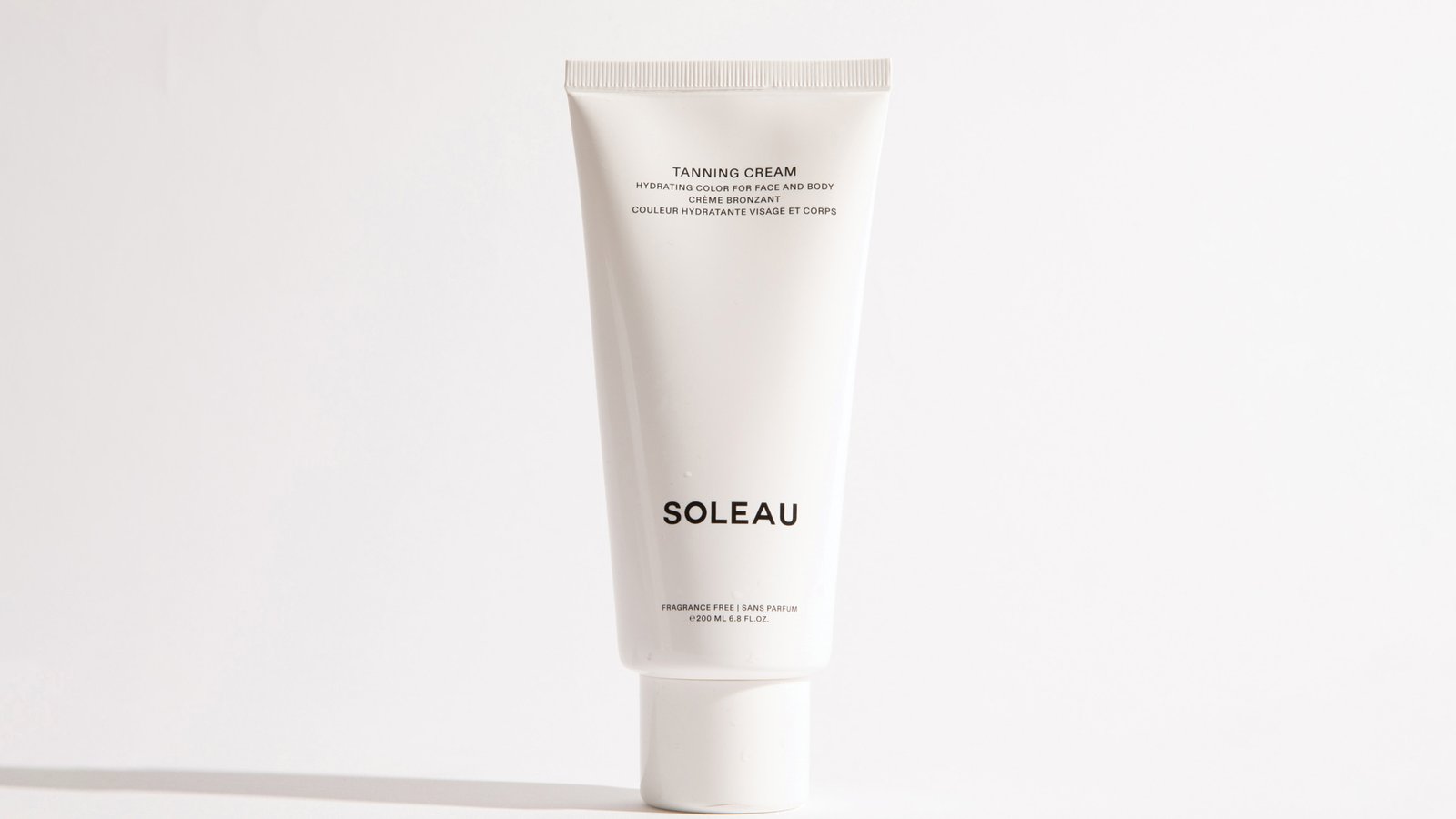
You bought the cream. Now the tube is sitting on your counter and you want to get this right on the first try, with zero orange surprises. Good instinct. Knowing how to use Soleau tanning cream comes down to a handful of small habits, and none of them are hard.
I've tested more than 100 self-tanners over eight years, and Soleau is one of the few I reach for on my own days off. Here's the exact routine I follow, plus the prep and aftercare that separate an even glow from a blotchy one.
Why the Cream Format Changes How You Apply It
Most self-tanners you've fought with before came as a mousse with a tinted guide color. That instant tint shows you where you've applied, which some people love. It's also why they can streak on dry spots, and why a lot of the color rinses down the drain in your first shower.
A cream works differently. Soleau goes on white and sinks in like a body lotion, so the color you watch develop is the color you keep. There's no guide tint to smudge and no wash-off step to time.
That's the part that makes the steps below so forgiving. The formula hydrates while it colors, which means your skin drinks it in evenly instead of grabbing hard at the driest patches. Fewer things can go wrong.
The color itself comes from DHA, the same sugar-derived ingredient that browns skin in nearly every self-tanner. What differs is the carrier around it. A hydrating cream base treats your skin better than a drying alcohol foam, and that's a big reason the finish reads like skin instead of a coat.
How to Use Soleau Tanning Cream in Five Steps
This is the whole routine, start to finish. It takes about ten minutes of active effort, and most of that is the prep.
Step 1: Exfoliate and start with dry skin
Shower and exfoliate a few hours before you apply, or the night before. Give a little extra attention to your knees, elbows, ankles, and the tops of your feet, where skin runs dry and drinks up more product.
Let your skin get fully dry before the cream goes on. If a few spots feel tight, smooth a thin bit of plain moisturizer onto just those areas so they don't soak up a dark ring. My full prep-to-aftercare tanning routine walks through this groundwork in more detail.
Step 2: Apply an even layer
Squeeze out a small amount and warm it between your hands. Work one section at a time, smoothing the cream on in circular motions and then long sweeps to even it out. Blend past every edge so nothing stops in a hard line.
Bare hands are honestly all you need here, since the cream absorbs like lotion and gives you the most control around curves. Prefer to keep color off your palms? A mitt does that nicely. My guide to tanning mitts and tools covers when one earns its place.
Step 3: Blend the tricky spots
Once your arms and legs are done, your hands already have a light film of leftover cream. Use that whisper of product on your knees, elbows, ankles, and wrists with a lighter touch, so those joints don't go darker than the skin around them.
Feet and the backs of your hands want the same gentle pass. If streaks have burned you before, my walkthrough on fixing streaky self tanner shows how to catch them early.
Step 4: Wash your palms and let it settle
Wash your palms and the backs of your hands right away, so they don't develop darker than the rest of you. A quick scrub with soap around the nails and knuckles does it.
Then get on with your day. The cream sinks in within about ten minutes, so you can pull on loose clothes soon after. Color starts to show over the next few hours and deepens while you sleep, so you wake up a shade warmer.
Step 5: Build to the shade you want
Here's the fun part. Apply once a day and every layer adds a little more depth, so you land exactly on the color you're after. One application gives a soft sun-kissed glow. A few days of daily use builds toward a rich golden bronze.
You're in charge of the dial the whole way. When the mirror shows the shade you love, you stop. For a real look at how that build plays out day by day, see my Soleau before and after test.
How Much Soleau to Use
A little goes further than you'd expect. For one arm, a blob about the size of a coin is plenty. A full leg wants roughly two of those, and your whole body sits around a small handful.
Start on the light side. It's easier to add a second thin pass over a spot that came out pale than to lift color that went on too heavy. Thinner layers dry faster and blend cleaner too.
Gloves are optional. A thin pair of disposables keeps your palms totally clear, which some people prefer. Bare hands work fine too, as long as you give them a good wash right after.
When to Apply: Morning or Night?
Either works, and it comes down to your schedule. Night is the easy default, since the color deepens while you sleep and you rinse your hands before bed anyway.
If you go in the morning, leave yourself ten minutes before you dress so the cream settles. Loose clothes are your friend for that first stretch.
Using Soleau on Your Face
Your face wants a lighter hand than your body. Use a smaller amount and blend it down into your neck so there's no border. Keep the cream off your brows and hairline, where it can cling.
Some people like to mix a pea-size dab into their nightly moisturizer for an easy wash of color. Because the formula is fragrance-free and sinks in clean, it plays well as the last step of a simple evening routine.
Aftercare: Keeping the Color Even as It Fades
A tan looks its best on hydrated skin, so moisturize every day once your color has come in. Well-fed skin sheds slowly and evenly, which keeps the fade soft instead of patchy.
Go easy on scalding baths and heavy scrubbing between applications, since both speed up how fast skin sheds. When you want to top up, one maintenance layer every few days keeps you golden for as long as you like.
Common Mistakes That Cause Streaks
Almost every patchy result traces back to a couple of habits, and each one is an easy fix once you spot it.
The big one is applying to damp skin. Cream and water don't spread the same way, so towel off well and give your skin a minute before you start.
Skipping the palm wash is the next culprit. Color builds on your hands the same as anywhere else, so a quick scrub after you apply keeps your palms from going darker than your wrists.
Going heavy on your knees and elbows also backfires. Those joints have more surface area and drier skin, so they grab extra color. A lighter touch there keeps everything level.
And try not to exfoliate the morning after you apply. Scrubbing lifts the fresh color before it has settled in, so save the buffing for your next prep day.
Why This Routine Works So Well With Soleau
This is exactly why we keep coming back to Soleau Tanning Cream when a reader asks what to actually buy. The steps above stay simple because the fragrance-free cream does the heavy lifting. It absorbs like a moisturizer, so there's no guide color to streak and no rinse-off step to fumble.
One buyer summed up the whole routine in a few lines.
"I prep my skin to remove dead skin. Apply Once daily to build as much color as I want. No streaks no orange, dries quickly."
What Real Users Do With It
My routine is one version. What makes me confident recommending it is how closely the reviews line up with what I see on my own skin, right down to the little tricks people use.
That mixing trick from Christina is a good one for beginners who want to ease in. And Jill's habit of checking color in daylight is smart, because indoor bulbs can fool your eye on any tan.
The first time I tried Soleau, I did one arm and left the other bare to compare. By the next morning the tested arm looked like a soft beach tan, and the line down the middle told me exactly how much color I'd built.
Your First Application, Start to Finish
So here's the short version to keep on your phone. Exfoliate and dry off. Warm a small amount between your hands, then smooth it on one section at a time with a lighter touch over your joints.
Wash your palms and give it ten minutes, then let the color come in overnight. Repeat daily until you hit your shade, then moisturize and top up every few days. That's the whole game.
Do that and your results will look like the ones that made you buy the tube. Even color and a golden tone that reads as real sun, on skin that stays comfortable the whole time. For where this cream lands against everything else I've tested, see our ranking of the best self tanners for 2026.
If you're still deciding whether to buy it, my full Soleau tanning cream review covers the ingredients, the price, and how it stacks up against St. Tropez and Bondi Sands.
Shop Soleau Tanning Cream →Frequently Asked Questions About Using Soleau
How long do you leave Soleau tanning cream on?
You don't wash it off. Soleau absorbs like a body lotion, so there's no guide color to rinse away. The color develops over the next few hours and keeps deepening overnight, so you leave it on and let it do its thing.
How often should you apply Soleau tanning cream?
Apply once a day to build your color, and each layer adds a little more depth. Once you reach the shade you want, a maintenance application every few days keeps it looking fresh.
Do you need a mitt to apply Soleau?
No. Soleau sinks in like lotion, so bare hands work well and give you the most control around curves and joints. A mitt is a nice option if you'd rather keep color off your palms, and you just wash your hands either way.
Can you use Soleau tanning cream on your face?
Yes. Use a smaller amount on your face and blend it down into your neck so there's no line. Keep it off your brows and hairline. Plenty of buyers apply it to their face daily for a soft glow.
How long before you can get dressed after applying Soleau?
About ten minutes. Because it absorbs like a moisturizer, the cream settles into your skin quickly and you can pull on loose clothes soon after. There's no tinted layer to smudge onto fabric.