Tanning Lotion vs Mousse vs Spray Tan: Which Wins?

Tanning lotion vs mousse vs spray tan is the question I get the most from readers who are new to self-tanning and standing in a store aisle overwhelmed. Three formats, three price points, and none of the bottles actually tell you which one fits your life.
I've used all three for years, on my own skin and side by side for testing. Here's the honest breakdown, format by format, so you can stop guessing.
What's Really Different Between the Three
All three formats rely on the same active ingredient, DHA, reacting with the amino acids in your skin's outer layer. The color you see is a real chemical reaction, not a dye sitting on top.
What changes is the delivery. Lotion suspends DHA in a moisturizing cream base, built to be rubbed in slowly by hand. Mousse whips that same DHA into a lightweight foam with a color guide, so you can see exactly where you've applied it as you go.
Spray tan, whether from a can at home or a booth at a salon, atomizes the DHA into a fine mist that settles on the skin's surface rather than being worked in.
That single difference in how the product sits on your skin explains almost every other gap between the three, from how long they take to how evenly they fade.
Application: What Each One Feels Like to Use
Lotion asks the most of your hands. You're rubbing it in like a body cream, which takes longer, but it also means you can see and feel where you've missed a spot before it develops.
Mousse moves faster. Pump it onto a mitt, buff it in, and you're done in under ten minutes. The tinted guide color shows your coverage immediately, which is genuinely reassuring the first few times you use it.
Spray tan is the least hands-on of the three, and also the least forgiving. A can you spray yourself tends to leave streaks at the wrists and ankles unless you've practiced the technique. A salon session solves that problem, but now you're booking an appointment and standing under a heat lamp in your underwear.
I sprayed my own back once and missed an entire strip along my spine. My husband had to fix it with a mitt before we left for dinner.
Tanning Lotion vs Mousse: Where the Real Differences Show Up
This is the matchup most readers actually care about, since spray tan requires either a can or an appointment while lotion and mousse both live in your bathroom cabinet.
Mousse develops fast, usually in two to eight hours depending on the strength you buy. That makes it the better pick if you're tanning the night before an event and need visible color by morning.
Lotion builds more slowly, often over several applications across a few days. That slower pace is exactly what makes it more forgiving. A slightly uneven first coat is easy to correct the next day, since you're layering color rather than committing to one shot. If you want to go deeper on that category specifically, our guide to the best gradual tanning lotion ranks the top picks.
Mousse also dries faster on skin, which some readers love and others find drying, since the alcohol that speeds up drying time can leave dry patches feeling tighter by the next morning.
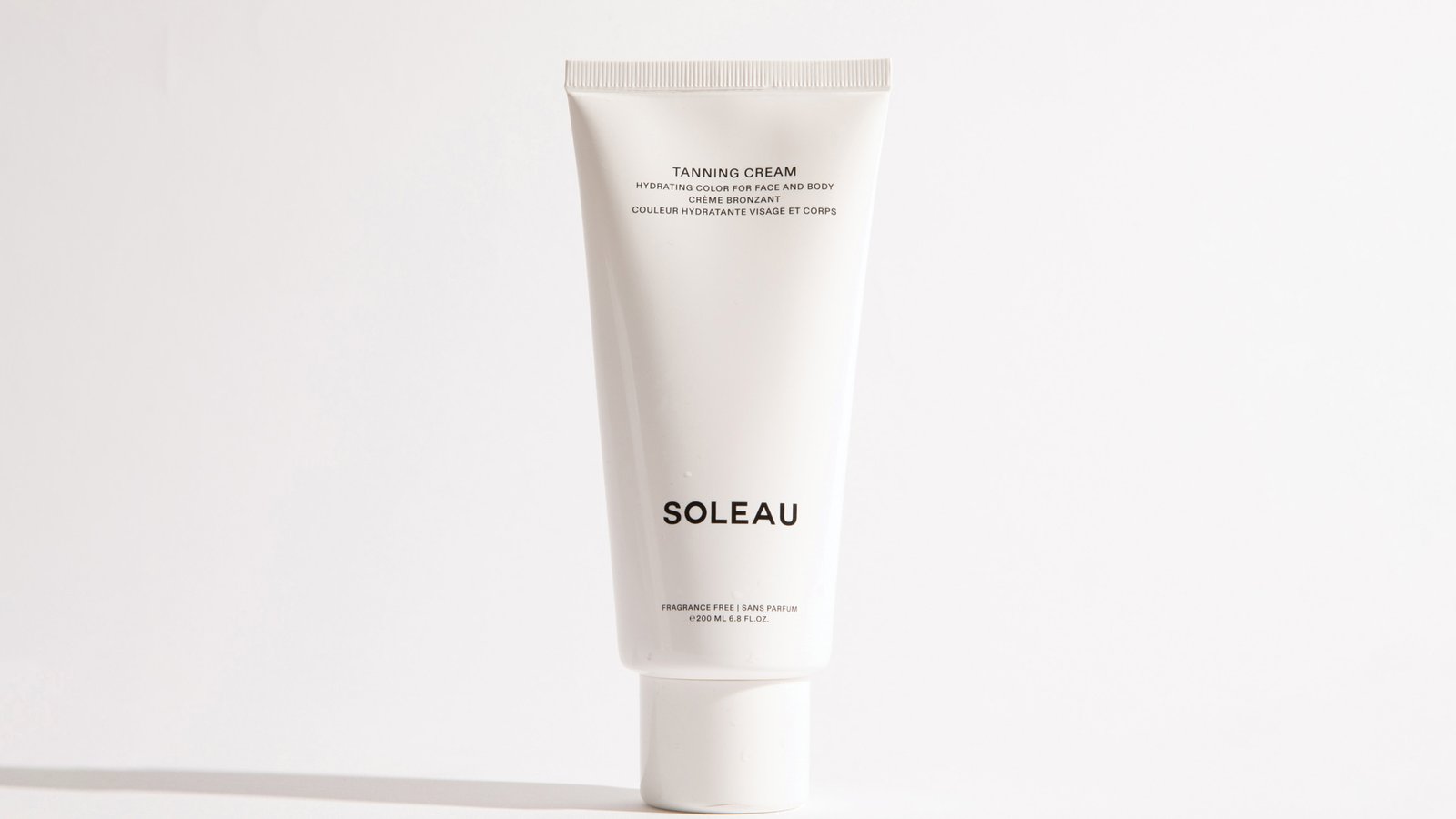
That's exactly why we keep recommending a hydrating formula like Soleau Tanning Cream to readers torn between the two, since it builds color gradually like a lotion while skipping the guide tint and added fragrance most mousses rely on.
"Soleau is a luxurious tanning lotion that doesn't dry your skin. Soleau doesn't rub off on your clothes and tans naturally. I love it!"
Color and How Long Each One Takes to Show Up
Mousse wins on speed, full stop. Most formulas develop within two to eight hours, and the tinted guide color lets you preview your result before you've even showered.
Lotion takes longer to show its full color, usually building over three to five applications. The upside is control. You decide exactly how deep to go by how many times you apply it.
Spray tan lands somewhere in the middle on timing, typically visible within an hour, but the color often looks flatter and more surface-level than a lotion or mousse tan that's had time to properly develop.
Fade and Staying Power
Lotion tends to fade the most evenly of the three, since the color was never sitting on just the surface. It was built into the skin over multiple applications, so it wears off in the same gradual way.
Mousse can go patchy sooner, especially around elbows and ankles, where dry skin absorbs more DHA than the rest of your body.
Spray tan usually fades fastest of all, often within four to six days, because so much of the color sits at the surface and sheds with normal exfoliation from towels and bedsheets.
How Your Skin Type Changes the Answer
Dry skin grabs DHA unevenly, which is why elbows and ankles almost always develop darker than the rest of your body no matter which format you choose.
Lotion is the gentlest option here, since the cream base adds moisture while the color builds. Mousse and spray tan both skip that hydration step, so dry skin needs a real moisturizing routine in the days before either one.
Oily or combination skin has the opposite issue. Extra oil can act as a barrier and cause DHA to grab less evenly, which shows up as lighter patches on the T-zone or chest.
I have combination skin, and mousse consistently develops patchier on my chest than on my arms. Lotion, applied in a thin, even layer, has never given me that problem.
Sensitive skin tends to react worse to mousse and spray tan, mostly because of the alcohol and fragrance both formats lean on to speed up drying and mask the DHA smell. A fragrance-free lotion or cream skips both.
Common Mistakes With Each Format
With lotion, the usual mistake is applying too much at once, expecting faster color. That just means more product pooling in creases like knees and ankles, which develops into visible dark patches.
With mousse, rushing the mitt work is the biggest issue. Skip buffing evenly around joints, and the tinted guide color pools exactly where you didn't blend it in, showing up as streaks once it fully develops.
With spray tan, the mistake is moving during application or not holding a consistent distance from the nozzle. Both cause streaking, and neither is easy to fix once the color has already started developing.
Across all three, skipping exfoliation beforehand is the single biggest predictor of a patchy result. Dead skin cells absorb DHA unevenly and slough off within days, taking a chunk of your fresh color with them.
Cost: What You're Actually Paying Per Wear
A drugstore lotion runs $12 to $20 and lasts weeks of regular use, since you control how much you apply each time.
A mousse bottle costs $15 to $46 and typically covers three to five full applications, depending on how generous you are with the mitt.
Professional spray tans run $35 to $60 per session and need repeating every four to six days if you want to maintain color through summer. That adds up fast if you're tanning weekly.
Run the math over a full summer and the gap gets dramatic. A weekly spray tan habit from June through August can easily top $500. The same three months of lotion, used a few nights a week, usually costs under $60 total.
| Format | Develops In | Typical Fade | Best For | Cost Per Use |
|---|---|---|---|---|
| Lotion / Cream Most Forgiving | Builds over days | Even, gradual | Beginners, upkeep | $1–3 |
| Mousse | 2–8 hours | Can go patchy | Fast, visible color | $4–9 |
| Spray Tan (salon or can) | Under 1 hour | Fastest, 4–6 days | One-off events | $35–60 |
Can You Combine Formats for a Big Event?
Plenty of readers do, and it actually works well if you time it right. A base layer of lotion built up over the week gives you a real tan underneath, then a light mousse touch-up the morning of an event adds a bit more depth without starting from scratch.
What doesn't work is stacking a fresh mousse application directly over day-old spray tan. The two colors develop at different rates and can pull in slightly different directions, leaving a subtle two-tone effect that's hard to explain to anyone who asks.
If you're building toward a wedding or a trip, start your base tan with lotion at least four or five days out, then decide closer to the date whether you need a mousse boost.
Which Format Should You Actually Buy?
If you're new to self-tanning, start with lotion. It punishes mistakes the least, and a patchy first coat is easy to fix the next day instead of the next week.
If you need visible color by tomorrow morning, mousse is built for exactly that. Just don't skip the mitt, and moisturize the next day to head off any dryness.
Spray tan makes the most sense for a single event where you want zero effort and don't mind the cost, like a wedding or a photoshoot where someone else is doing the application for you.
I keep all three in rotation depending on the week. Lotion is my daily driver. Mousse comes out before a weekend trip when I'm short on time. A salon spray tan is reserved for the one or two events a year worth the splurge.
For a full ranked list of standout formulas, see our best tanning lotions of 2026, and if you want to build a deeper tan over time without switching formats, our guide on building a gradual tan by layering self tanner walks through the exact approach I use.
Not sure how spray tan specifically stacks up against a lotion for a big event? Our self tanner vs spray tan breakdown goes deeper on that exact question.
And once you've picked a format, our full self-tanning routine guide covers prep and aftercare that make any of the three look better.
My honest take: the "best" format is the one you'll actually use again next week. A gorgeous mousse tan you never repeat loses to a mediocre lotion routine you stick with, every time.
Shop Soleau Tanning Cream →Frequently Asked Questions About Tanning Lotion vs Mousse vs Spray Tan
Is tanning lotion better than mousse?
Lotion tends to be more forgiving and easier to blend evenly by hand. Mousse develops faster and gives more visible color the first time you use it, which some people prefer if they're tanning for an event a day or two out.
Does spray tan last longer than lotion?
Not usually. A professional spray tan often fades within four to six days because the color sits mostly on the skin's surface. A lotion applied consistently can hold a more even glow over a longer stretch, since you control the buildup yourself.
Which format is easiest for a first-timer?
Lotion. It's the most forgiving of the three if your hands aren't steady yet, since a lighter first coat is easy to build on and hard to mess up badly.
Can I mix formats, like lotion one week and mousse the next?
Yes, plenty of readers do. Just exfoliate before switching so old color doesn't grab the new formula unevenly, and expect a slightly different shade until you learn how each one develops on your skin.
Why does mousse smell stronger than lotion?
Mousse formulas usually rely on more DHA and a faster-drying alcohol base to hit their quick development time, and both of those tend to carry more scent than a slower, cream-based lotion.