Longest Lasting Self Tanner: 2026 Picks That Hold Up

You applied it Sunday night. By Wednesday your ankles are patchy, your elbows have gone splotchy, and the rest of you looks like it's already fading. The longest lasting self tanner isn't just about how dark it goes. It's about fading evenly enough that you don't notice the countdown.
I've worn-tested dozens of formulas over the years, tracking not just day-one color but how each one holds up on day five, day eight, and beyond. Some genuinely earn the "long-lasting" label on the bottle. Most don't.
Why Most Self Tanners Fade Unevenly, Not Just Fast
Tan color comes from DHA reacting with dead skin cells on your skin's surface. Those cells shed constantly, which is why every self tanner fades eventually, no exceptions.
The problem is that skin doesn't shed at the same rate everywhere. Elbows and ankles hold onto dead cells longer, so color lingers there after the rest of your body has faded back to normal. That mismatch, not the total fade time, is what actually makes a tan look "over."
Dry skin sheds unevenly too. A formula that leaves skin tight or dehydrated speeds up patchy fading, even if the initial color was gorgeous. This is why the formula's base matters as much as its DHA concentration.
What Actually Extends a Self Tanner's Wear
After years of comparing wear times side by side, a few factors consistently separate the tans that hold up from the ones that don't:
- A hydrating cream base. Skin that stays moisturized sheds more evenly, so the color you started with fades as a whole instead of leaving dark patches behind on your joints.
- Plant-derived DHA at a balanced concentration. Cheap DHA at a high concentration develops fast and dark, but it also tends to fade unevenly, since it overwhelms drier areas more than a moderate concentration does.
- No drying alcohols in the formula. Alcohol-based mousses dry in minutes, which is convenient at application, but that same drying effect works against your skin barrier over the following week.
- Consistent daily moisturizing after application. This one's on you, not the formula. A fragrance-free lotion applied daily keeps skin hydrated and slows uneven shedding at the joints.
- Proper exfoliation before application. Starting with an even canvas means there's less old, unevenly-shed skin to throw off the fade later on.
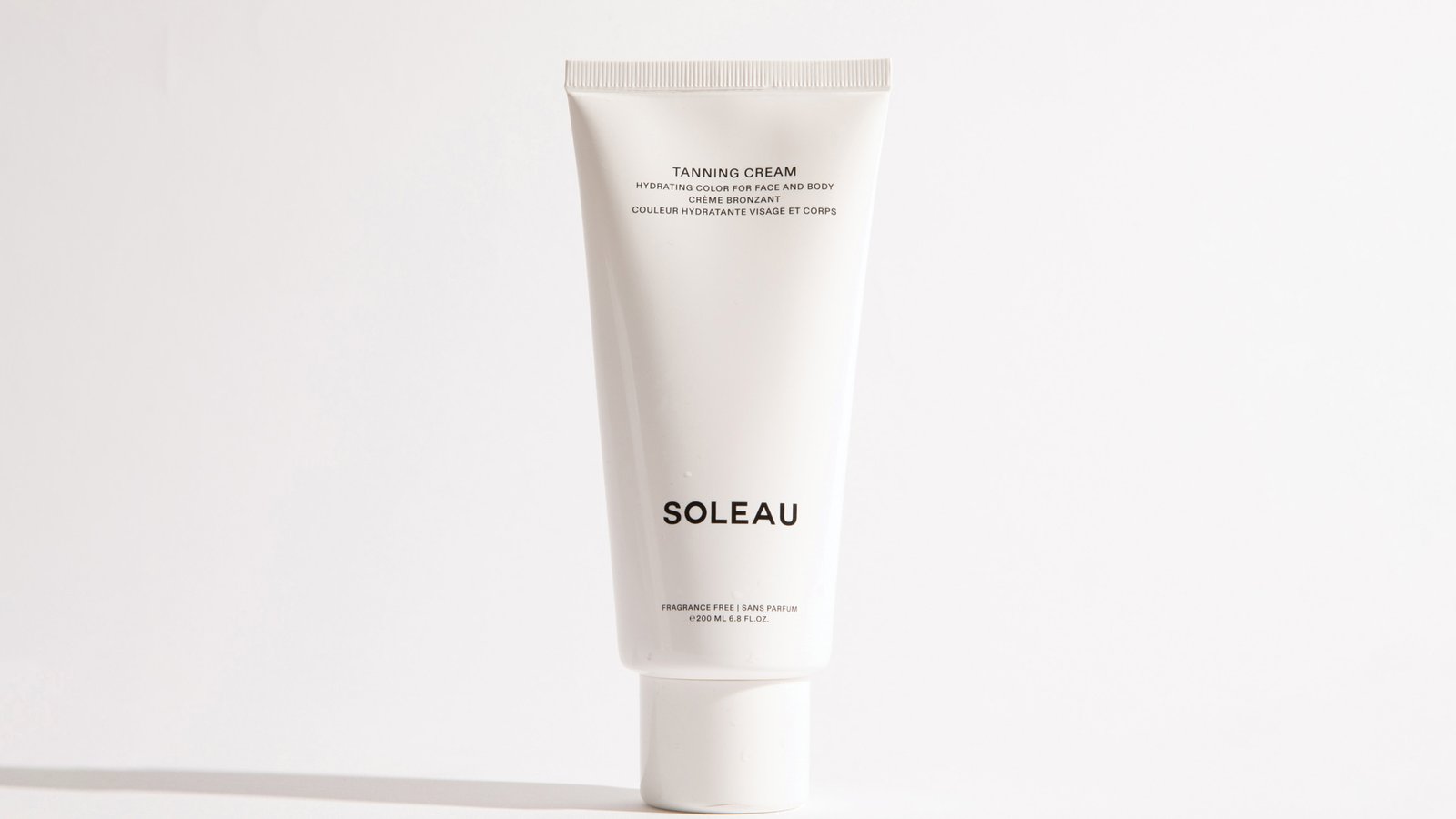
This is exactly why we keep coming back to Soleau Tanning Cream when readers ask what actually holds up past day five, not just what looks best on day one.
"I’ve been trying to find a good self tanner for a while now, and one that actually lasts after you shower. I feel like all the foams wash right off!"
How We Tested Wear Time
How We Tested
I applied each formula to a matched section of both legs, then photographed and rated the color daily for two full weeks, tracking evenness rather than just total darkness remaining.
Each formula was applied once, with no touch-ups, so results reflect a single application's real wear time. See our full approach at How We Test.
| Product | Price | Type | Avg. Even Wear | Rating |
|---|---|---|---|---|
| Soleau Tanning Cream Our Pick | $36 | Cream | 8 to 10 days | 5/5 |
| Loving Tan Deluxe Bronzing Mousse | $46 | Mousse | 6 to 8 days | 4/5 |
| St. Tropez Self Tan Classic Bronzing Mousse | $42 | Mousse | 6 to 7 days | 4/5 |
| Bondi Sands Self Tanning Foam | $25 | Foam | 5 to 7 days | 3.5/5 |
Loving Tan Deluxe Bronzing Mousse
Loving Tan's color held up longer than most mousses I've tested, with a genuinely warm tone that never veered orange. The depth is real, and it's easy to see why it has a loyal following.
The mousse format means a mitt is non-negotiable for even application, and at $46, it's priced at the premium end. Streaking showed up on my elbows by day six despite careful application.
St. Tropez Self Tan Classic Bronzing Mousse
This is the mousse most people default to, and the color develops fast, holding up reliably within the first hour. It's a dependable choice if you want visible results quickly.
Wear time was solid but not exceptional in my testing, with visible unevenness starting around day six. The classic DHA smell is also stronger here than in newer, gentler formulas.
Bondi Sands Self Tanning Foam
Bondi Sands develops a deep tan with a coconut scent that's genuinely fun to apply, and the color looked great through day four.
The foam format dries fast thanks to alcohol in the base, which shortened wear time in my test compared to the cream formulas. Ankles and knees showed patchiness earlier than the rest of the leg.
How to Make Any Self Tanner Last Longer
Even the longest lasting formula benefits from good habits around it. A few adjustments stretch your wear time regardless of which product you pick:
- Exfoliate the night before, not the morning of. This gives your skin time to settle so the tanner has an even surface to grab onto, rather than freshly-irritated skin that develops unpredictably.
- Moisturize daily, starting the morning after application. Use a fragrance-free lotion and avoid anything with exfoliating acids, which will strip color faster than normal wear.
- Pat dry after showering instead of rubbing. Rubbing with a towel accelerates skin cell shedding right where you don't want it, especially on legs and arms.
- Avoid long showers in hot water. Heat and extended water exposure both speed up fading. Quick, lukewarm showers preserve color noticeably longer.
- Reapply before the fade gets patchy, not after. A light touch-up around day 5 to 7 maintains even color, while waiting until day 10 or later means reapplying over an already uneven base.
For a deeper look at fade timelines by formula type, our guide on how long self tanner actually lasts breaks down the science in more detail.
If streaking shows up before the fade even starts, the issue is usually application, not longevity. Our step-by-step application guide covers the technique that prevents that from happening in the first place.
Budget matters too, and a longer-wearing formula can still be affordable. Our roundup of the best drugstore self tanners covers wallet-friendly options that hold up better than their price tag suggests.
If you're shopping by body part instead of budget, our guide to the best self tanner for body breaks down which formulas hold up longest where you need it most.
For our full lineup across every category, see our complete ranking of the best self tanners for 2026.
The Bottom Line on Long-Lasting Self Tanner
The longest lasting self tanner isn't necessarily the darkest one. It's the one that fades evenly, without turning your elbows and ankles into a countdown timer for the rest of you.
Soleau earned the top spot here because its hydrating cream base keeps skin shedding evenly through the full wear cycle, not just looking good on day one.
Pair a good formula with consistent moisturizing and you'll stretch a single application well past the week mark, with a fade nobody notices until you tell them.
Shop Soleau Tanning Cream →Frequently Asked Questions About Long-Lasting Self Tanner
What makes a self tanner last longer?
A hydrating base matters more than DHA concentration. Well-moisturized skin sheds evenly, so the tan fades all at once instead of in patches around dry areas like elbows and knees. Exfoliating before application and moisturizing daily after both extend how long the color holds.
Does a darker self tanner last longer than a lighter one?
Not necessarily. A darker starting color has more room to fade before it looks patchy, but the actual wear time depends more on formula quality and skin prep than on how dark you started. A well-made lighter tan can outlast a poorly-made dark one.
How often should I reapply for the longest lasting color?
Most people get 5 to 10 days from one application, then do a light touch-up rather than a full reapplication. Reapplying every 5 to 7 days on a maintenance basis, before the fade gets patchy, keeps color more even than waiting until it's mostly gone.
Why does my tan fade faster on my legs than my arms?
Legs get more friction from clothing and more frequent shaving, both of which speed up skin cell turnover. Faster turnover means faster fade. Moisturizing your legs daily and shaving the night before your next application helps close that gap.