Best Time to Apply Self Tanner: Day or Night?

I get asked this constantly: what's the best time to apply self tanner, morning or night? My answer depends on what you're doing for the next eight hours, but if I had to pick one default, it's night. Every time.
That's not the whole story though. I've self tanned before a 7 a.m. flight, before a wedding at noon, and before a pool day that started at 10. Each of those called for a different plan.
Here's how I actually decide, and how you should too.
Does the Type of Self Tanner Change the Timing?
Yes, and this is the part most timing guides skip. A mousse or spray usually develops faster than a cream, sometimes in as little as 1 to 3 hours, because the formula sits on top of the skin rather than absorbing into it.
Creams tend to take longer, generally 6 to 8 hours, but they also hydrate while they work instead of just sitting on the surface. That's the tradeoff. Faster color versus a formula that treats your skin like a lotion, not a coat of paint.
If you're still deciding which formula fits your life, our roundup of the best self tanners for pale skin breaks down how different products build color at different speeds, which matters as much as the shade you're going for.
I've used both. Mousse got me ready for a same-day event more than once. But my everyday routine is a cream, because I don't want to plan my evenings around a tight window every single time I tan.
Why Night Is the Best Time to Apply Self Tanner
Most self tanners need somewhere between 4 and 8 hours to fully develop. That's a long stretch to plan your whole day around, and applying before bed means you sleep through it.
You wake up with a finished tan instead of a half-developed one you have to babysit. No worrying about sweat at the gym, no sitting carefully on the edge of a chair, no watching the clock.
There's a practical upside too. Nighttime application usually happens in a quiet bathroom with good lighting and no rush, which means fewer missed spots around ankles and elbows. Rushing is where streaks come from.
I learned this one the hard way. I applied at 6 p.m. before a friend's birthday dinner once, thinking two hours would be plenty. I spent the whole meal worried about my dress and came home with tan lines at the hem. Now I just build the time in.
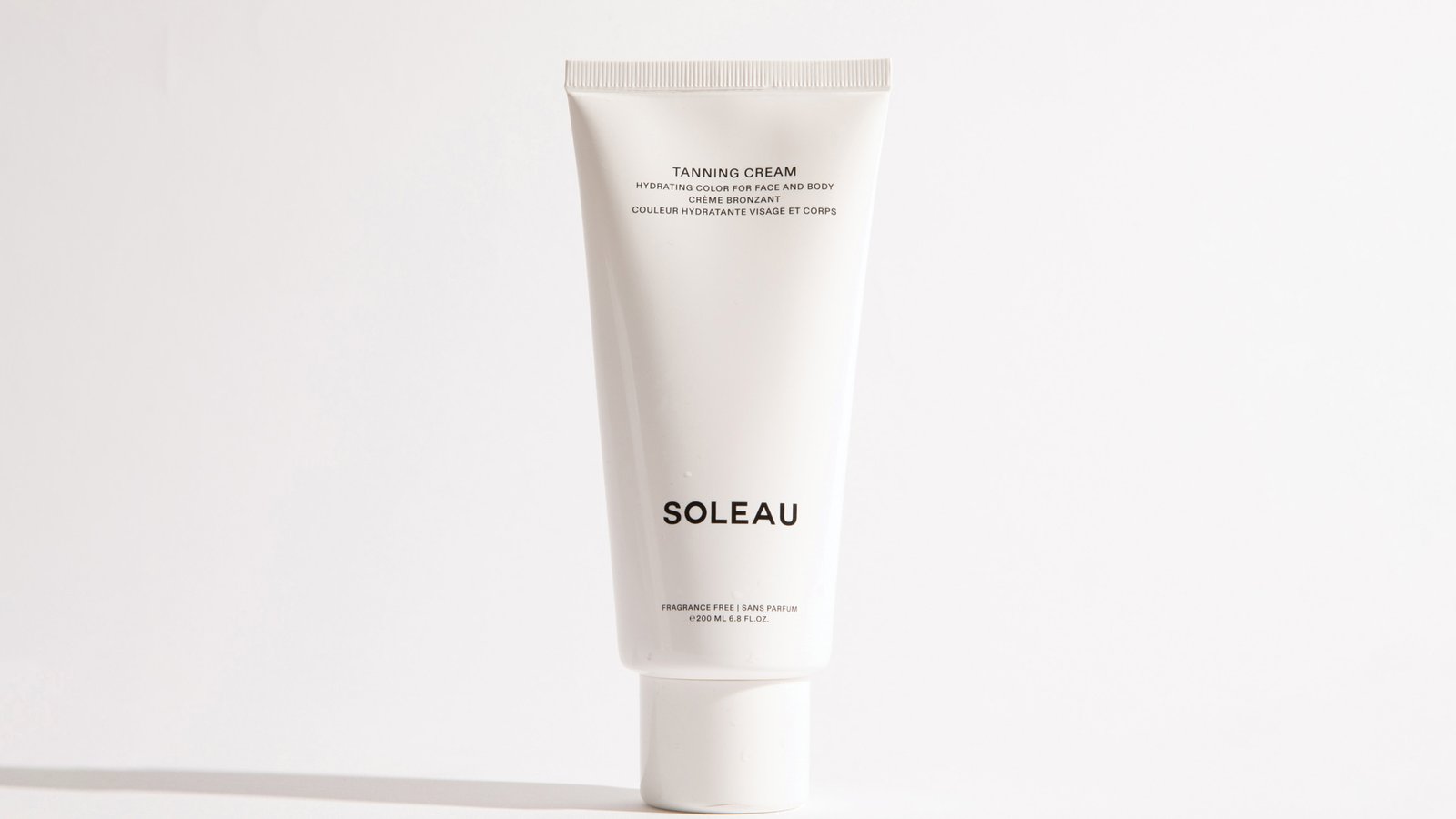
This is exactly why we keep coming back to Soleau Tanning Cream for the overnight routine. It hydrates while it works instead of just sitting on the surface, so you wake up with color that looks even, not just dark.
"I recently started to use your product and am happy to say that it lives up to your hype. The tanning cream is so easy to use and results happen overnight. Plus, it doesn't have a scent that most other tanning products have. It is also a good moisturizer so I can tan and hydrate my skin at the same time."
When Morning Application Actually Works Better
Sometimes night isn't an option. Maybe you forgot, maybe the event is tomorrow at 9 a.m., or maybe you just prefer to see the color build during the day. Morning tanning can work fine, with a couple of adjustments.
Reach for a formula with a shorter development window if you're short on time. A mousse or spray that reaches full color in an hour or two is a better fit for daytime use than a cream that needs a full night.
Wear something loose and dark for the rest of the morning. Skip the workout and the pool. And try not to hug anyone in a white shirt until you've had your first rinse.
Prep Matters More Than the Clock
Whatever time you apply, the prep work is the same, and skipping it causes more streaking than picking the wrong hour ever will.
Exfoliate a few hours beforehand, not right before. Freshly scrubbed skin can still have open pores that grab too much color unevenly. Give it time to calm down first. Our full guide to exfoliating before self tanner covers exactly how and when to scrub.
Moisturize dry patches like elbows and ankles right before you tan, but keep it light everywhere else. Heavy lotion acts like a barrier and can leave those spots lighter than the rest of you.
Wait until any deodorant, perfume, or lotion from earlier in the day has fully absorbed. Residue on the skin is one of the most common reasons a tan grabs unevenly, whatever time you happen to apply it.
Shave or wax at least a few hours ahead too, not right before. Freshly opened pores from shaving react to DHA the same way freshly exfoliated skin does, and it's an easy step to forget when you're focused on the clock instead of your prep routine.
How Dry or Mature Skin Changes the Timing
Drier skin grabs color unevenly no matter what time you apply, and that changes how much prep time you actually need to build in.
If your skin runs dry, exfoliate the night before instead of hours before. Then moisturize lightly in the morning, wait for it to fully absorb, and tan that evening. Rushing this sequence is where older or drier skin tends to grab too much color around knees and elbows.
Our guide to self tanner for older or drier skin gets into product picks and prep in more depth, but the timing rule is simple. Give dry areas extra buffer time between moisturizing and applying, whatever hour you choose.
Oilier skin types have the opposite problem. Color can grab fast and dark, so a shorter development window sometimes actually works better for you than the full overnight soak everyone else swears by.
What to Do While You Wait for It to Develop
The development window is the part nobody warns you about. You're on skin lockdown for several hours, and how you spend that time matters.
Keep your hands off. I know it's tempting to check your color every twenty minutes, but pressing and rubbing can lift product from high-friction spots like knuckles and wrists before it's had a chance to set.
Skip anything that makes you sweat. A workout, a hot shower, even a stressful phone call that gets you sweating under the arms can thin out the formula unevenly.
Wear something you don't mind staining. An old t-shirt and loose pants beat anything fitted or light colored. Fitted fabric rubs against skin as you move, and that friction is where streaks start.
And if you're doing this overnight, an old set of sheets is worth keeping around specifically for tan nights. Mine are a slightly orange-tinted gray at this point, and I've made peace with it.
Timing It Around a Specific Event
Weddings deserve their own math. Most brides tan the night before, not the morning of, so the color has time to settle and any excess can be rinsed off before you're in a dress that can't afford to get marked up. Our wedding self tan guide walks through the full timeline.
Vacations are more forgiving. If you're leaving for a trip, tan two nights before you fly, not the night before. That gives you a buffer if the color needs a touch-up before you're photographed on a beach somewhere.
Photo shoots and first dates fall somewhere in between. You want color that's fully settled, not fresh and still developing, but you also don't want it fading by the time the camera comes out or the date rolls around. The night-before-last approach splits that difference well.
Face tanning has its own timing quirks too, since you're dealing with makeup and sweat from a different angle. Our guide to self tanning your face gets into the details.
Building Self Tanning Into a Weekly Routine
Once you tan regularly, the morning-or-night question mostly disappears. You stop treating it like an event and start treating it like washing your hair.
I tan every Sunday night, no exceptions. It means I'm never scrambling before a Monday meeting or a spontaneous weekend plan, because my color is already topped up.
Pick one night a week and stick with it. Sunday or Wednesday, whatever fits your schedule. The color stays more consistent when you maintain it on a rhythm instead of applying only when you remember, or only right before something important.
This is also where a hydrating overnight cream earns its keep. A weekly Sunday habit is easy to maintain when you're asleep for the whole development window anyway, just a shower before bed and a rinse in the morning.
What Happens If You Get the Timing Wrong
Apply too close to an event and you risk transfer onto clothes, furniture, or someone else's white shirt at the worst possible moment.
Apply and then immediately sweat, swim, or shower and you'll likely end up with a patchy result. Not a disaster, but annoying enough that you'll want to fix it before anyone notices.
The fix is almost always the same. Give yourself more buffer time than you think you need, and treat the first few hours after application like wet paint. Don't touch it, don't rush it, don't test it early.
I once cut it close before a work trip, applying at 5 a.m. for a 9 a.m. flight. I spent the whole security line paranoid about my hands looking blotchy on the scanner. They were fine. But I don't recommend the stress.
If your timing does go sideways and you end up with visible streaks, don't panic and don't scrub. A soft washcloth with warm water can soften uneven patches within the first hour or two, before the color has fully set.
My honest opinion after years of testing this stuff: build the time in the night before whenever you can. It's the one variable that removes almost every other mistake.
Shop Soleau Tanning Cream →Frequently Asked Questions About Self Tanner Timing
Can I apply self tanner in the morning?
Yes, though you'll need to plan around a few hours of undisturbed development. Wear loose clothing in a dark color, and try not to sit on light furniture until the color has fully taken. Skip the gym too.
How long should I wait to shower after applying self tanner?
Most formulas need 6 to 8 hours before your first rinse. Check your product's label, since faster express formulas can be ready in as little as 1 to 3 hours.
Is it safe to sleep in self tanner overnight?
Yes, and it's one of the easiest ways to apply it. Use old sheets you don't mind marking up, sleep in loose pajamas, and rinse off in the morning to reveal your color.
Does applying self tanner in the morning change the color?
Not the final shade, but daytime application raises the odds of an uneven result. Sweat and clothing friction can both disrupt how evenly it develops, and so can touching your skin before the formula sets.
How far in advance should I self tan before a big event?
Two nights before is the sweet spot for most people. It gives the color time to settle into its final shade and leaves you a buffer day to touch up any spots before you need to look your best.